
How long does a solar thermal system last? Most solar thermal collectors last between 20 and 25 years, making them one of the more durable pieces of equipment on a UK roof. The rest of the system doesn’t age quite so slowly though. Pumps and controllers generally last 10 to 15 years, and the heat transfer fluid circulating through the system typically needs replacing every 3 to 5 years. Proper servicing can significantly extend the working life of every part of the system, which is why understanding what ages well and what needs attention sooner makes such a difference to long-term performance. This guide walks through the expected lifespan of each component, the factors that speed up or slow down wear, and how to tell when a repair is worthwhile versus when replacement makes more sense.
Average Lifespan of a Solar Thermal System
A well maintained solar thermal system installed by a competent team can reasonably be expected to perform for two decades or more, with the solar thermal panel lifespan sitting comfortably at the longer end of that range. Performance doesn’t stay perfectly flat across those years though. Like most mechanical and thermal equipment, a system experiences a very gradual decline in efficiency as materials age, seals soften slightly, and components go through repeated cycles of heating and cooling. This normal ageing process is rarely dramatic. A system in its fifteenth year will usually still heat water effectively, just with a modest efficiency reduction compared with when it was new. Understanding this gradual curve helps homeowners tell the difference between expected, gentle decline and a more serious fault that needs attention sooner rather than later.
Lifespan of Individual Solar Thermal Components
Different parts of a solar thermal system age at very different rates, which is part of why servicing tends to focus on specific components rather than treating the system as one single unit.
| Component | Typical Lifespan |
|---|---|
| Solar collectors | 20 to 25 years typical |
| Pump and controller | 10 to 15 years typical |
| Solar cylinder | 15 to 20 years typical, condition dependent |
| Heat transfer fluid | 3 to 5 years typical |
Solar Collectors
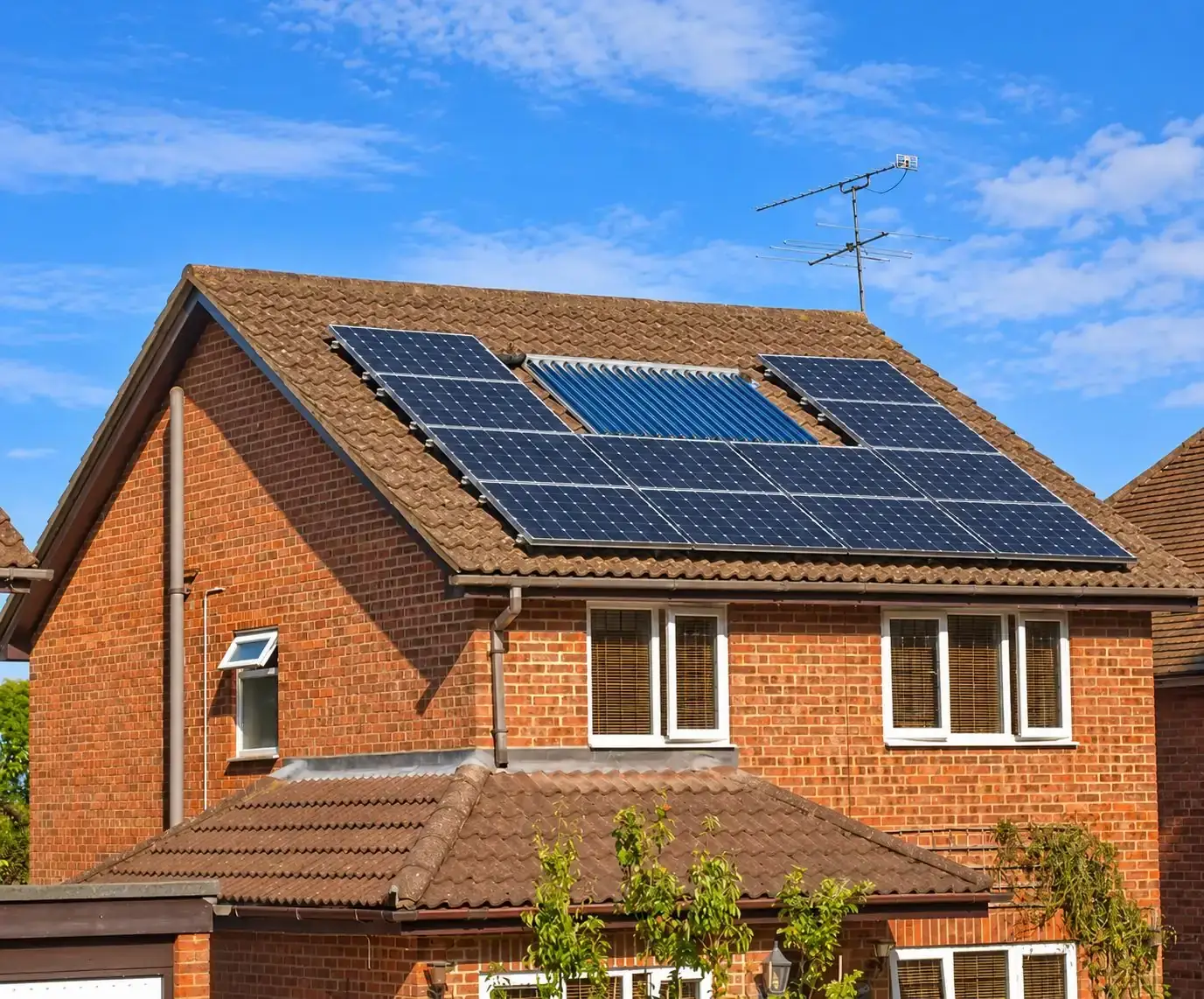
Collectors: 20 to 25 years typical is the benchmark most manufacturers design around, and it’s realistic for a well installed system. The glass and absorber plate inside a collector are built to withstand continuous UV exposure and years of thermal cycling, where the collector heats rapidly in strong sun and cools again overnight or in cloudy weather. Over time, this cycle causes very gradual efficiency loss as seals and coatings age, but a properly specified collector should still be performing well after two decades. Collectors installed by a competent team, with attention paid to correct flashing, sealing and roof integration, tend to hold up noticeably better over the long term than those fitted with shortcuts taken during installation.
Solar Thermal Pump
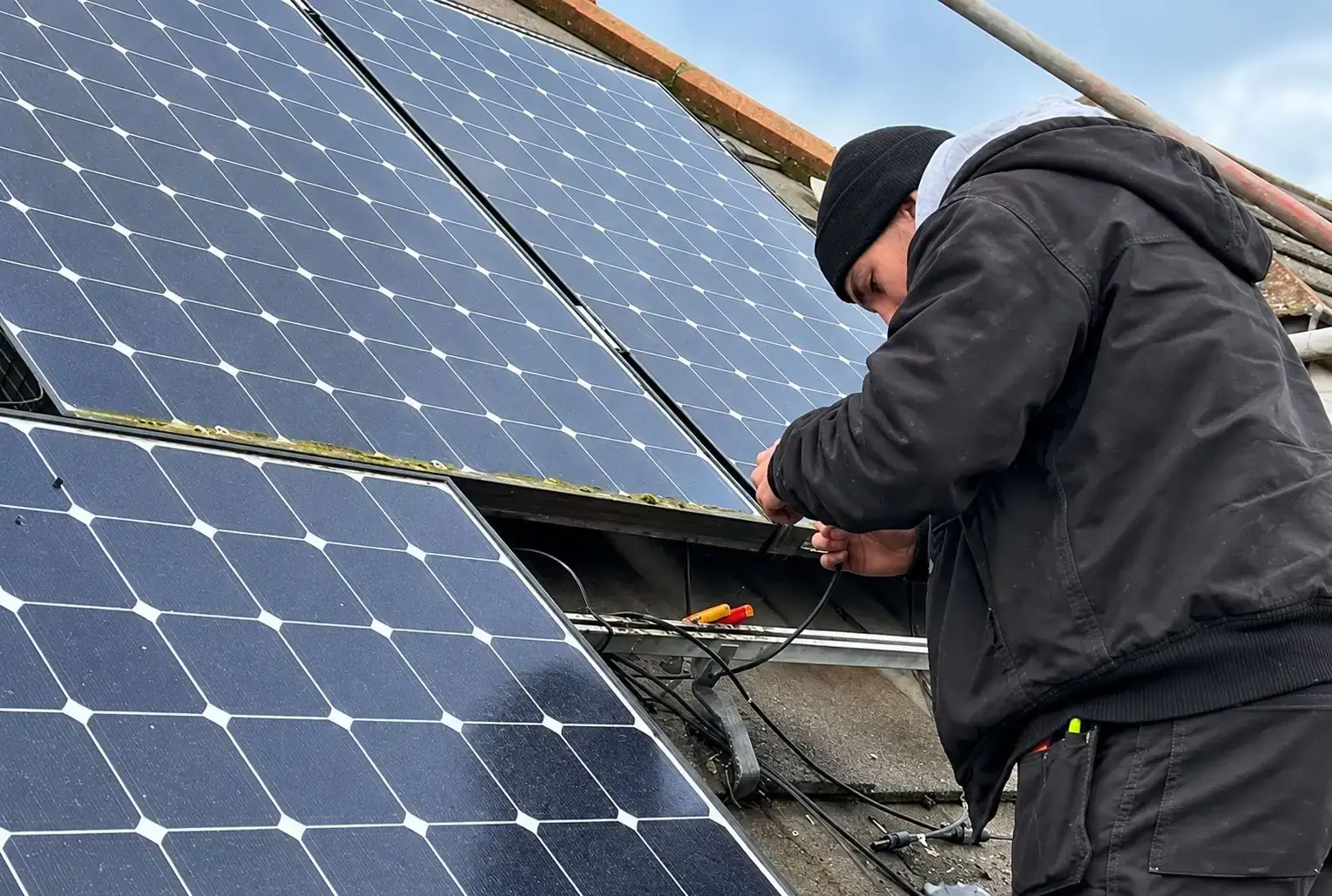
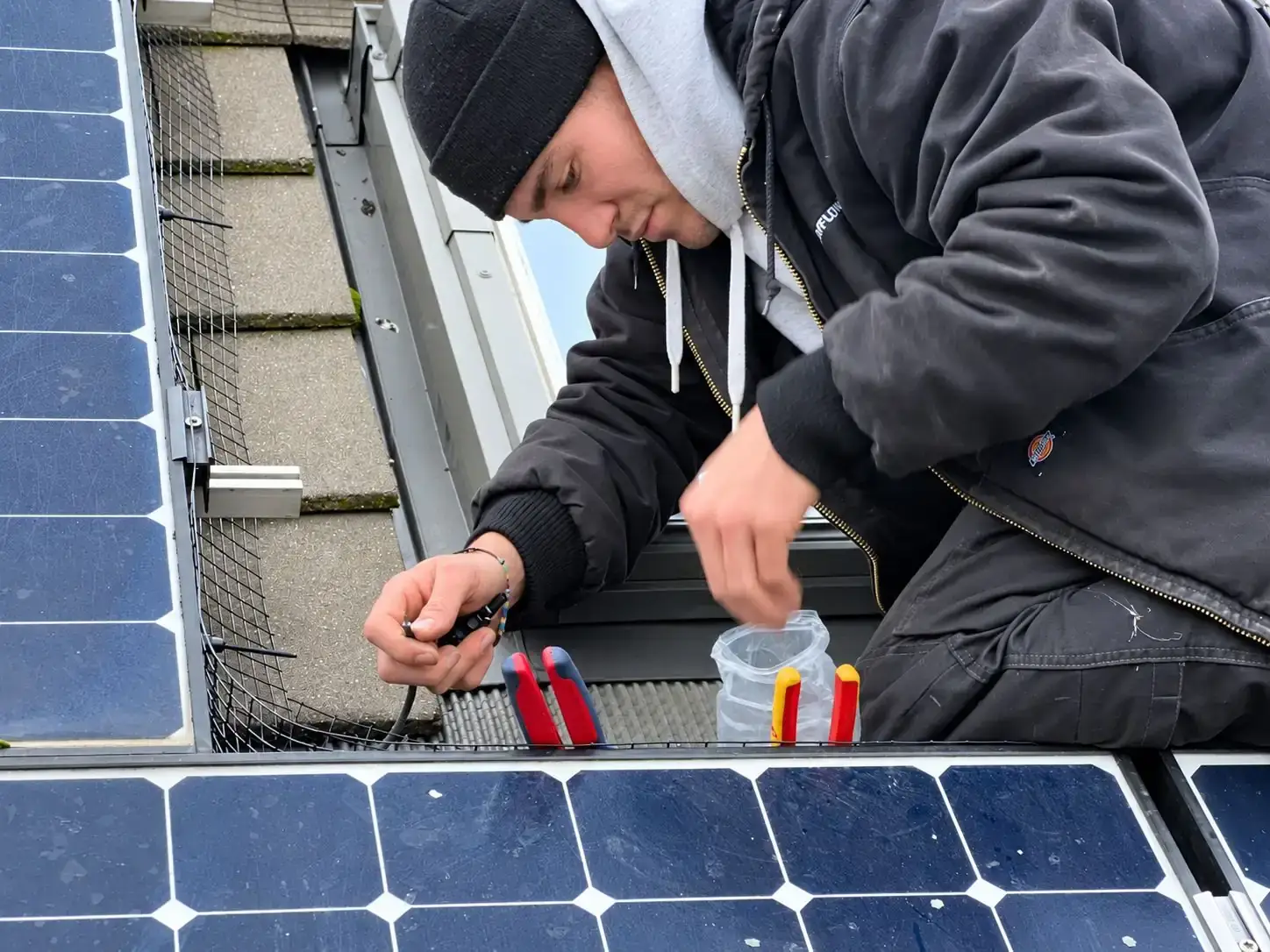
The pump and controller sit at the more mechanical end of the system, and pump & controller: 10 to 15 years typical reflects the reality that moving parts wear faster than static collectors. The solar thermal pump lifespan depends heavily on how consistently the system has been serviced, since a pump running with the correct fluid pressure and clean, uncontaminated fluid experiences far less strain than one working against air pockets, incorrect pressure or degraded fluid. Routine servicing, provided through our solar thermal maintenance service, typically includes a pump and controller check, since catching early wear here is far cheaper than dealing with a full pump failure later. Where a pump has already failed or is showing clear signs of wear, our solar thermal repair team can assess it directly.
Solar Cylinder
The solar cylinder stores the heated water ready for use, and the solar thermal cylinder lifespan is generally longer than the pump but shorter than the collectors themselves, provided corrosion is kept under control. Cylinders are particularly sensitive to water quality and insulation performance. Poor insulation lets stored heat escape faster than it should, forcing the system to work harder to maintain temperature, while corrosion inside an ageing cylinder can eventually lead to leaks. If your cylinder is showing signs of reduced hot water availability, unusual noises, or a suspected leak, our solar thermal repair service covers cylinder related faults alongside the rest of the system, and a proper solar thermal maintenance visit can catch early corrosion before it becomes a bigger issue.
Heat Transfer Fluid
Heat transfer fluid: 3 to 5 years typical is the shortest lifespan of any part of the system, and it’s often the most overlooked. The glycol based fluid that carries heat from the collectors to the cylinder degrades gradually through glycol breakdown, a chemical process accelerated by repeated heating and cooling. As the fluid ages, fluid acidity increases, and acidic fluid becomes increasingly corrosive to the pipework, pump seals and heat exchanger it passes through. Replacing the fluid on schedule protects every other component downstream, which is why fluid checks form a routine part of any proper annual service rather than being treated as optional.
What Shortens the Life of a Solar Thermal System?
Several factors can shorten a system’s working life well below its expected range, often well before any individual component reaches the age limits described above. Poor maintenance is the single biggest factor, since small issues left unaddressed tend to compound over several seasons rather than resolving on their own. Overheating during periods of low hot water demand can stress the collector and fluid more than normal operation. Leaks, however minor, gradually reduce system pressure and introduce air into a circuit that’s designed to run fully sealed. Air in the system reduces heat transfer efficiency and increases strain on the pump, while incorrect pressure, whether too high or too low, affects how efficiently fluid circulates throughout the loop. Weather exposure plays a part too, particularly for systems in more exposed coastal locations where wind loading and salt air can accelerate wear on external components. Finally, installation quality has a lasting effect that often only becomes apparent years later. A system fitted with proper attention to pipe runs, insulation, and correct fluid balancing tends to age far more gracefully than one installed to a lower standard.
How to Extend Solar Thermal System Lifespan
The good news is that how to extend solar thermal system lifespan comes down to a fairly short list of consistent habits rather than anything complicated. Annual servicing extends system life more reliably than any other single measure, since a yearly check catches fluid degradation, pressure drift and early pump wear before they cause lasting damage elsewhere in the system. Regular fluid replacement, in line with the 3 to 5 year interval mentioned earlier, protects the pipework and pump seals from the acidic breakdown products that accumulate in older fluid. Periodic inspections of the collector, mounting brackets and roof penetrations help catch weather related wear early, particularly after a harsh winter. Performance monitoring, even something as simple as comparing hot water output across similar weather conditions year on year, can flag a gradual decline before it becomes a bigger problem. Our solar thermal maintenance service covers all of this as part of a scheduled visit, which tends to be considerably more cost effective than reactive repairs carried out after something has already failed.
Signs Your Solar Thermal System Needs Replacing
There are a handful of clear signs your solar thermal system needs replacing rather than simply servicing. Declining performance that doesn’t improve after a service, particularly a noticeable drop in hot water availability during summer months when the system should be working at its best, often points to ageing collectors or a cylinder nearing the end of its working life. Recurring repairs, where the same fault keeps returning within a year or two of a solar thermal repair visit, usually indicate an underlying component that’s simply worn out rather than faulty. Leaks that reappear after being sealed, particularly around the cylinder or pipework joints, are a similar warning sign. Obsolete components can also tip the balance towards replacement, since parts for older systems occasionally become harder to source as manufacturers update their product ranges. Finally, if repair costs are approaching a significant proportion of what a new system would cost, replacement often becomes the more sensible long-term option, even if the current system is still technically working.
Does Solar Thermal Need Replacing After 20 Years?
Does solar thermal need replacing after 20 years is one of the most common questions we hear, and the honest answer is that age alone doesn’t automatically mean a system needs replacing. Many well maintained systems continue performing adequately well past the 20 year mark, particularly where collectors have been the main surviving component and pumps or fluid have already been renewed along the way. The right approach is always inspection first rather than assumption. A proper assessment can confirm whether the collectors are still performing efficiently, whether the cylinder has any signs of corrosion, and whether the pump and controller are keeping pace with demand. From there, the repair versus replacement decision usually comes down to comparing likely repair costs against the efficiency gains a newer system would offer. Modern collectors and controllers have improved steadily over the past two decades, so an efficiency comparison with newer systems sometimes reveals that replacement pays for itself faster than expected, even when the existing system isn’t actually broken.
Solar Thermal Warranties in the UK
Solar thermal warranty UK terms vary considerably between manufacturers and installers, so it’s worth understanding what’s typically covered. Collector warranties from reputable manufacturers commonly cover manufacturing defects for a decade or more, reflecting the long expected lifespan of the panels themselves. Installer warranties are usually separate from manufacturer cover and focus on workmanship guarantees, protecting against installation errors such as poor sealing or incorrect fitting rather than component failure. Manufacturer support for pumps, controllers and cylinders tends to run for a shorter period, often in the range of two to five years, reflecting their shorter expected working life compared with the collectors themselves. Keeping documentation from the original installation, along with records of any servicing carried out, makes warranty claims considerably more straightforward if an issue does arise while cover is still valid.
End of Life and Replacement Considerations
When a system genuinely does reach solar thermal end of life, either through age, irreparable damage, or a combination of both, there are a few practical points worth considering. Responsible disposal matters, since collectors, cylinders and pumps contain materials that should be recycled properly rather than sent to general waste wherever possible. Replacing older components individually can sometimes extend the useful life of a system without a full system replacement, particularly where the collectors themselves are still performing well but the pump, controller or cylinder have reached the end of their working life. Where a full replacement does make sense, modern system upgrades often bring worthwhile efficiency improvements alongside the reliability benefits of starting with new components throughout. Our solar thermal system installation service covers both full replacements and partial upgrades, so homeowners aren’t forced into replacing more than actually needs replacing.
Local Solar Thermal Support Across Hampshire
Solar Maintenance And Repairs supports homeowners with solar thermal servicing, repairs and replacements throughout Hampshire, including Portsmouth, Southsea, Havant, Fareham, Gosport, Waterlooville, Petersfield, Emsworth, Hayling Island, Horndean, Denmead, Cowplain, Clanfield, Drayton and Cosham. Local knowledge of the area’s housing stock, from older properties in Southsea with long established solar thermal installations to newer builds around Waterlooville and Denmead, helps our engineers assess a system’s age and condition accurately during a visit. Whatever the outcome of that assessment, our solar thermal maintenance and solar thermal repair teams cover the whole of this area.
Final Thoughts
Solar thermal systems are built to last, with collectors regularly reaching 20 to 25 years of service, while pumps, controllers and heat transfer fluid need attention on shorter cycles along the way. Regular servicing remains the single most effective way to protect that lifespan, catching small issues such as fluid degradation or early pump wear before they turn into larger, more expensive problems. If your system is approaching an age where you’re unsure whether repair or replacement makes more sense, an inspection gives you a clear, evidence based answer rather than a guess. Book a solar thermal lifespan health check with our team before deciding on repairs or replacement, and get a straightforward assessment of exactly where your system stands.