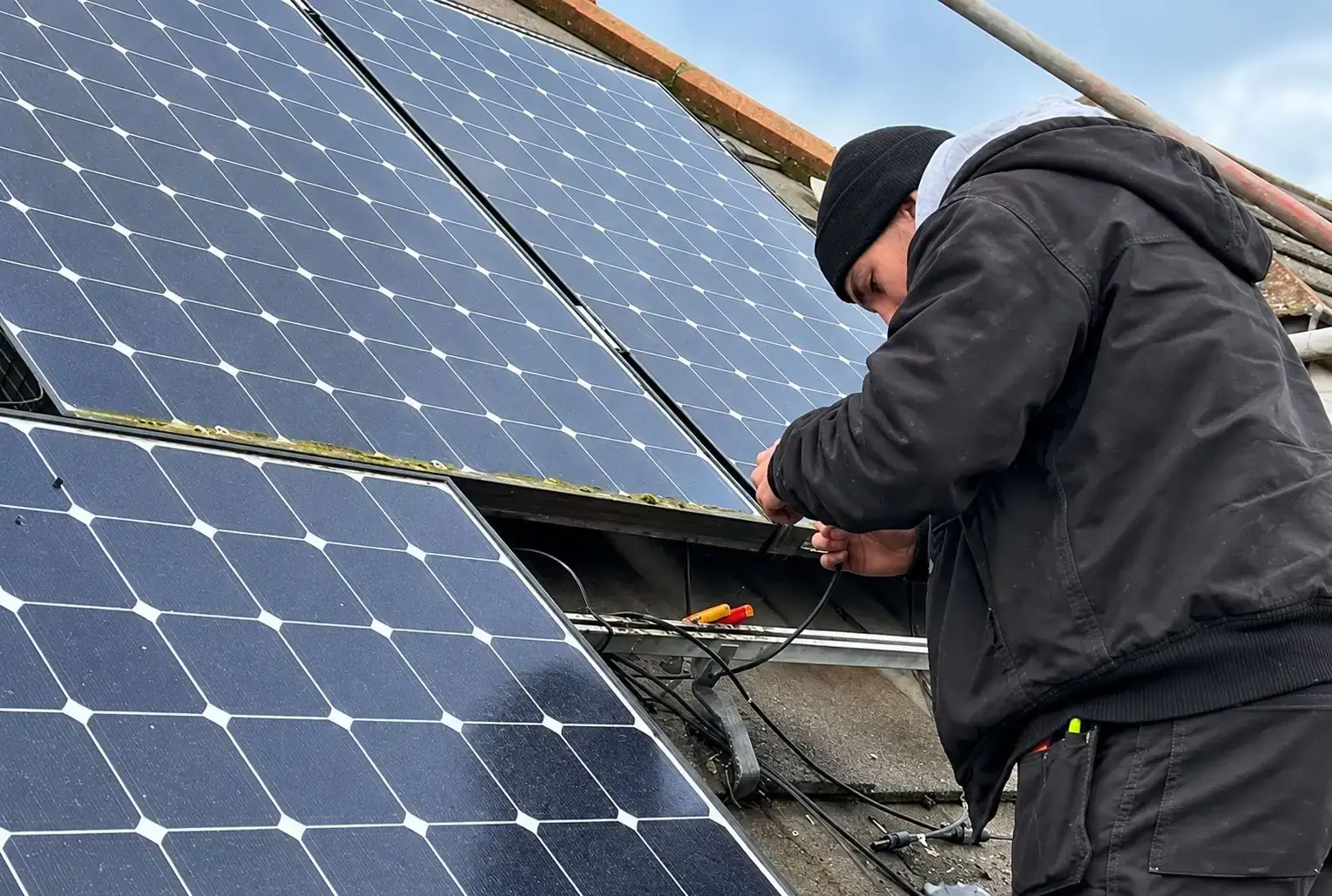


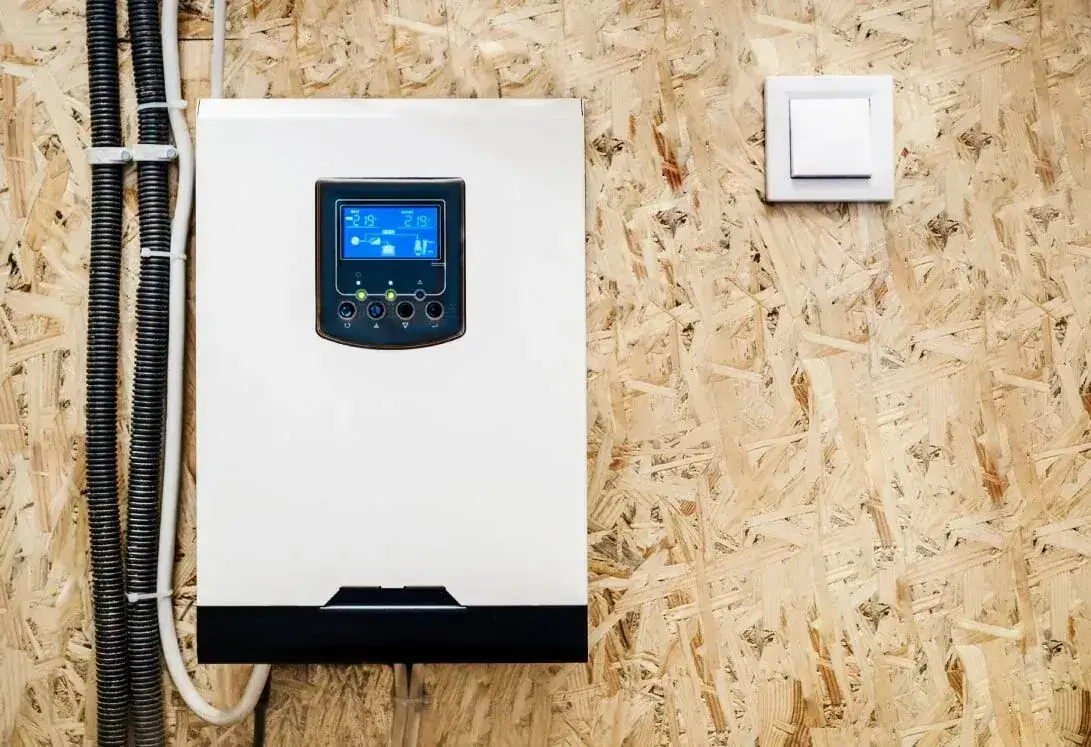
If you already have solar panels, or you’re planning a new installation, you have probably started searching for the best solar battery storage UK options and found page after page of “top 10” rankings. Most of these lists compare headline capacity and price and move on. That approach misses the point. The right battery for your home depends on your electricity usage, your solar generation, your existing inverter, your budget and what you actually want the system to achieve, and no single product is the correct answer for every property. This guide sets out a transparent, brand-neutral framework so you can compare any system against the specifications that genuinely affect performance, cost and long-term value.
What Makes a Solar Battery the Right Fit for Your Home?
There is no solar battery that is automatically the right choice for every household. A system that suits a small flat with modest evening demand will be the wrong size for a family home running an electric vehicle and a heat pump. Before comparing named products, it helps to separate the factors that genuinely change the outcome from the marketing points that don’t.
The best solar battery for one property might be undersized or badly matched for another. What matters is how the following factors line up with your circumstances:
- Household electricity usage, particularly in the evening and overnight
- Solar PV generation from your existing or planned array
- Battery capacity and, more importantly, usable capacity
- Power output and how many appliances it needs to support simultaneously
- Battery chemistry and its safety and cycle life characteristics
- Round-trip efficiency
- Warranty length and the conditions attached to it
- Budget, including installation and any electrical upgrade costs
- Installer support, from design through to aftercare
- Compatibility with your current or planned inverter
Working through these in order, rather than starting with a brand name, tends to produce a far more useful shortlist than any generic ranking.
Home Battery Storage UK: What Should You Compare?
Once you understand the decision factors, the practical work is comparing specifications across the systems your installer proposes. For home battery storage UK buyers, the comparison usually comes down to a fairly short list: capacity, usable capacity, power output, efficiency, warranty, cycle life, chemistry, expandability, monitoring, compatibility and installation requirements.
It’s worth asking for these figures in writing for every quote, rather than relying on a product brochure. A battery’s advertised specification and its performance in a specific installation, with a specific inverter and a specific consumption pattern, are not always identical. A competent installer should be able to explain how the numbers on paper translate into performance for your particular property.
How Much Solar Battery Storage Do You Need?
The question of how much solar battery storage you need has a more nuanced answer than “as much as you can afford.” Sizing should start with your actual daily electricity consumption, not the size of your roof or the capacity of the biggest battery on the market.
A useful starting point is your smart meter data, which shows how much electricity you use in the evening and overnight, when solar generation has stopped. Compare that against your daytime solar surplus: the difference between what your panels generate and what your household uses during daylight hours is the energy that’s actually available to charge a battery. A battery sized well beyond that surplus will rarely charge to full, whatever its rated capacity.
Other factors that should influence sizing include seasonal variation, since winter generation is much lower than summer, a time-of-use tariff that rewards overnight grid charging as well as solar charging, and future changes to your household’s energy use. An electric vehicle or a heat pump can shift your evening and overnight demand substantially, and it’s worth discussing these plans with your installer even if you haven’t bought the equipment yet. If an EV is on the horizon, it’s also worth reading about EV home charger installation alongside your battery sizing conversation, since the two often get specified together.
Buying the largest battery available is rarely the best decision. Oversized systems cost more upfront, take longer to pay back, and in some cases never reach full charge from solar alone. Right-sizing against real consumption data, and revisiting that sizing if your circumstances change, is a more reliable approach than chasing the biggest kWh figure on the shelf.
Usable Capacity vs Total Battery Capacity
One of the most common sources of confusion in this market is the gap between total battery capacity and usable battery capacity. Manufacturers often advertise the total capacity, but a proportion of that is reserved to protect the cells and extend lifespan, so it’s never available for you to draw on.
Depth of discharge (DoD) describes the percentage of total capacity that can be safely used before the battery is protected from further discharge. A battery rated with a 10kWh total capacity and a 90% DoD offers roughly 9kWh of genuinely usable capacity. Some systems also reserve a small buffer as backup capacity for outages, which further reduces the figure available for day-to-day cycling.
In practice, this means two batteries with identical headline kWh ratings can deliver meaningfully different amounts of usable energy. When comparing quotes, always ask for the usable capacity figure rather than relying on the number printed on the box, and treat that usable figure as the one that should be matched against your evening and overnight consumption.
Battery Power Output: Why It Matters
Capacity, measured in kWh, tells you how much energy a battery can store. Power output, measured in kW, tells you how quickly that energy can be delivered or absorbed, and it’s a separate specification that deserves just as much attention.
Continuous power output is the sustained amount of power a battery can supply over an extended period, while peak power output is a higher figure the battery can support for short bursts, such as a kettle and an oven switching on simultaneously. Charging power and discharge power can also differ, which affects how quickly a battery fills from solar surplus and how quickly it can respond to a sudden increase in household demand.
A battery with generous capacity but modest power output may still struggle to power several appliances in the same moment, defaulting to grid electricity even while it has plenty of stored energy left. If your household regularly runs multiple high-draw appliances together, power output deserves more attention than capacity alone.
Which Battery Chemistry Is Best?
Battery chemistry affects safety, cycle life, and how a system performs over its lifespan, so it’s worth understanding the two chemistries you’re most likely to encounter in the UK domestic market.
Lithium Ion Solar Batteries
Lithium ion is a broad category covering several chemistries, and it remains widely used across solar storage because of its comparatively high energy density and strong round-trip efficiency. Within this category, older nickel-based lithium chemistries store more energy for a given size but generally have a shorter cycle life and different thermal characteristics than the chemistry now favoured for most new domestic installations.
Lithium Iron Phosphate Batteries
Lithium iron phosphate, commonly written as LiFePO4 or LFP, has become the dominant chemistry for new UK domestic battery storage. It’s generally regarded as more thermally stable than older lithium chemistries, tends to tolerate deeper and more frequent discharge cycles without significant degradation, and typically offers a longer cycle life. The trade-off is a slightly lower energy density, meaning an LFP battery of equivalent capacity can be marginally larger or heavier than an older nickel-based alternative, though this varies by manufacturer and model.
Types of Solar Batteries
Beyond the two chemistries above, buyers will also encounter differences in form factor: wall-mounted units, floor-standing cabinets, and modular stacks built from multiple smaller units. A more detailed breakdown of these formats, and how they suit different property types, will be covered in a dedicated article on the types of solar batteries available in the UK market.
Whatever the chemistry, thermal management matters. A battery management system that monitors temperature and protects cells from extreme conditions is a core part of safe, long-term performance, and it’s worth asking any installer how their proposed system handles this.
Battery Efficiency and Round-Trip Efficiency
Round-trip efficiency describes how much of the energy that goes into a battery comes back out again when you use it. No battery is perfectly efficient: some energy is lost as heat during charging and discharging, and some is used by the battery’s own management electronics.
A system with 90% round-trip efficiency returns 9kWh of usable energy for every 10kWh sent into it, while a system with 85% efficiency returns 8.5kWh. Over a year of daily cycling, that difference adds up, though it rarely changes the overall case for or against storage on its own. Efficiency is one factor among several, and a small efficiency gap between two otherwise well-matched systems shouldn’t be treated as decisive on its own. It’s more useful alongside capacity, power output and warranty than viewed in isolation.
Battery Lifespan, Cycle Life and Degradation
Every battery loses some capacity over time, a process known as degradation. The rate of degradation depends on cycle life (how many charge and discharge cycles the battery is designed to handle before capacity falls below a stated threshold), depth of discharge, temperature during operation, and the quality of the battery management system protecting the cells.
Frequent full discharges, particularly in high ambient temperatures, tend to accelerate degradation compared with shallower, more moderate cycling. This is one of the practical reasons LiFePO4 chemistry has become popular for domestic storage: it generally tolerates deeper, more frequent cycling with less impact on long-term capacity than some older chemistries.
Manufacturers typically state an expected capacity retention figure for the end of the warranty period, for example a battery retaining a defined percentage of its original capacity after ten years of use. These figures come from manufacturer testing and should be checked against the specific warranty document rather than assumed, since they vary by brand and model.
Battery Warranty: What Should You Check?
A battery warranty is not a single number. The years printed on a spec sheet are only part of the picture, and it’s worth reading the actual terms before treating warranty length as a point of comparison.
Key elements to check include the warranty duration itself, any separate cycle warranty (a cap on the total number of charge and discharge cycles covered, which matters more for households cycling the battery heavily via a time-of-use tariff), any throughput warranty (a cap on total lifetime energy moved through the battery), the guaranteed capacity retention percentage for the end of the warranty term, and the specific exclusions and conditions attached. Many manufacturer warranties are conditional on installation by an approved installer, and on the system being maintained in line with the manufacturer’s guidance, so it’s worth confirming this before work begins rather than after a fault occurs.
Modular and Stackable Battery Systems
Modular and stackable battery systems allow additional capacity to be added later, rather than committing to a fixed size from day one. This can suit households whose energy needs are likely to change, for example if an EV or a heat pump is a future rather than immediate purchase.
The trade-off is usually cost per kWh: a single larger unit is often more cost-efficient than buying capacity in stages, and not every system supports later expansion, or supports it only within the same product range. If expandability matters to you, confirm with your installer if the specific system you’re considering can genuinely be added to later, what the space requirements for additional units are, and if expansion requires the original inverter to be replaced.
Smart Monitoring and App Features
Most modern battery systems include an app showing solar generation, battery state of charge, household consumption, and grid import and export in real time. Many also support smart or scheduled charging, allowing the battery to charge from the grid during a cheap overnight tariff window in addition to charging from solar.
Monitoring is a genuinely useful feature. It helps you understand if a system is performing as expected and can flag early signs of an underperforming battery well before it becomes an outright fault. That said, an impressive app is not a substitute for the fundamentals covered elsewhere in this guide: capacity, chemistry, warranty and installer support matter considerably more to long-term value than the polish of a monitoring interface.
AC-Coupled vs DC-Coupled Battery Storage
How a battery connects to your solar array and your home’s electrics has a real effect on cost, efficiency and how straightforward the installation is.
DC-Coupled Systems
DC-coupled systems share a single hybrid inverter with the solar array, converting direct current to alternating current only once for both the panels and the battery. This arrangement is generally the more efficient option and is well suited to a new solar PV system being designed from scratch, since the hybrid inverter and battery can be specified together from the outset.
AC-Coupled Systems
AC-coupled batteries have their own separate inverter and connect into the property’s existing electrical wiring independently of the solar inverter. This makes them a practical option for retrofitting a battery onto an existing solar PV system without needing to replace or interfere with the original inverter, though it typically involves an additional conversion step compared with a DC-coupled arrangement.
Neither approach is universally better. New installations often favour a DC-coupled, hybrid inverter arrangement for efficiency, while retrofits onto an established array frequently favour an AC-coupled system to avoid disturbing existing equipment. Understanding how a solar inverter works makes this decision considerably easier to follow when an installer presents options.
Solar Battery Storage Cost
Solar battery storage cost depends on more variables than the battery itself. Capacity and chemistry are only part of the equation: the inverter arrangement, any electrical upgrade work, additional equipment such as backup gateways, and the complexity of the installation all affect the final figure.
As a general guide, UK installed costs for a domestic battery in 2026 commonly span a wide range, from several thousand pounds for a smaller retrofit unit to well over ten thousand pounds for a larger, premium all-in-one system with a built-in inverter. Because pricing shifts with the market, with promotional offers, and with individual property requirements, treat any figure you read online as a starting point for a conversation rather than a fixed cost, and always confirm current pricing directly with an installer for your specific property. It’s also worth checking the current VAT treatment for battery storage with your installer or HMRC guidance, since VAT rules for energy-saving materials have changed in recent years and may change again.
Warranty terms and installer support should be weighed against price rather than treated as separate from it. A cheaper system with a shorter or more conditional warranty may cost more over its lifetime than a slightly more expensive system backed by stronger cover and a more responsive installer.
Solar Battery Brands UK: How Should You Compare Them?
There are several established solar battery brands UK installers commonly specify, each with different strengths around price, backup capability, monitoring and inverter integration. Rather than ranking them, the more useful approach is comparing each option against the same checklist: usable capacity, power output, efficiency, chemistry, warranty, cycle life, monitoring, compatibility with your existing or planned inverter, the strength of the installer network supporting that brand locally, and how easily replacement parts or support are available if something goes wrong years down the line.
Product support and installer familiarity matter more than most buyers expect. A well-specified battery installed by someone unfamiliar with its quirks can underperform a more modest system installed by a team who knows it well. This is one of the strongest reasons to lead with a needs-based conversation with your installer rather than a brand preference formed from marketing content alone.
Tesla Powerwall vs Other Battery Systems
The Tesla Powerwall vs other batteries comparison comes up frequently because Powerwall is one of the most recognised names in domestic storage. Rather than treating brand recognition as a proxy for suitability, it’s worth comparing any Powerwall proposal against alternatives using the same specifications discussed throughout this guide: usable capacity, power output, chemistry, warranty terms, monitoring, expandability, and how the unit integrates with your inverter arrangement.
Some systems bundle their own inverter into a single unit, which can simplify installation and be attractive for a new installation or a full inverter replacement, while other manufacturers rely on a separate hybrid or AC-coupled inverter, which may suit a retrofit onto an existing array more cost-effectively. Overall system suitability, meaning how well the complete package fits your property, your existing equipment and your budget, matters more than any single specification viewed alone. No manufacturer, including Tesla, is the universally correct choice, and the right decision depends on the same property-specific factors covered throughout this guide.
Solar Battery Storage Installer: What to Assess
The installer arguably matters as much as the battery itself. A well-specified system installed poorly will underperform, and a warranty is only as good as the paperwork and support behind it.
When assessing a solar battery storage installer, look for relevant qualifications, a proper design process that accounts for your specific property rather than a generic quote, demonstrated experience with the specific battery and inverter combination being proposed, clarity on what warranty support looks like in practice, and a plan for commissioning and documentation. Ask what happens if the system underperforms after installation: a competent installer should be able to describe a clear diagnostic process rather than a vague promise to “sort it out.”
It’s also worth asking how the installer approaches solar PV service and repairs more broadly, since a company with strong maintenance credentials tends to design installations with long-term serviceability in mind, rather than optimising purely for the initial sale. If you’re pairing a battery with a brand-new array, it’s worth reviewing solar PV installation requirements alongside your battery specification, since the two are usually designed together.
Is Solar Battery Storage Worth It?
Are solar battery storage or solar storage batteries worth it depends heavily on individual circumstances, and there is no single answer that applies to every household. The financial case rests on several factors working together: how much surplus solar energy your system currently exports rather than uses, your electricity tariff structure, current export payment rates, the installed cost of the battery, and how your usage might change over the system’s lifespan.
Households with above-average evening electricity use, an existing solar array producing meaningful daytime surplus, or access to a time-of-use tariff that rewards shifting consumption to cheaper periods, tend to see a stronger financial case than those with modest solar generation and low overnight or evening demand. An electric vehicle or a heat pump can shift this calculation considerably by increasing the amount of electricity a household can usefully store and use later, rather than exporting it or buying it back on a higher rate.
It’s worth being realistic about the limits of any projection. Future electricity prices, export tariff rates and your own household’s usage patterns can all change over a battery’s working life, and no guide, including this one, can promise a guaranteed savings figure or payback period. The most reliable way to answer the question for your own property is a proper assessment based on your actual consumption and generation data, rather than a generic online calculator.
How to Compare Solar Battery Storage Options
Bringing the guide together, here is a practical checklist for comparing any battery storage proposal on a like-for-like basis:
- Usable capacity, not just total capacity
- Continuous and peak power output
- Battery chemistry and its safety and cycle life profile
- Round-trip efficiency
- Warranty duration, cycle or throughput limits, and capacity retention guarantee
- Cycle life
- Expandability, if future capacity might be needed
- Monitoring and smart charging features
- Inverter compatibility, including if the arrangement is AC-coupled or DC-coupled
- Installation requirements, including any electrical upgrade work
- Installer support, aftercare and diagnostic process
- Total installed cost, weighed against warranty strength rather than considered in isolation
Working through this list with every quote you receive, rather than comparing headline price alone, is the single most effective way to make sure you’re comparing genuinely equivalent options.
Compare Solar Battery Storage Options With Solar Maintenance & Repairs
Reading a buyer’s guide gets you most of the way, but the final decision still depends on details specific to your property: your actual consumption pattern, your roof orientation and existing solar output, the condition and capacity of your current inverter, and how your energy needs might change in the coming years.
A professional assessment can confirm suitable battery capacity based on your real usage rather than an estimate, check compatibility with your existing solar PV setup or planned new installation, identify any electrical work needed ahead of time, and help you weigh options against future plans such as an EV or heat pump. Solar Maintenance And Repairs approaches this from an installer-and-maintenance perspective rather than a pure sales angle, which means the recommendation is built around long-term performance rather than moving a particular unit off the shelf.
If you’d like a property-specific comparison rather than a generic online estimate, book a free assessment and our team will review your solar setup, your usage, and your goals before recommending a system sized specifically for your home.