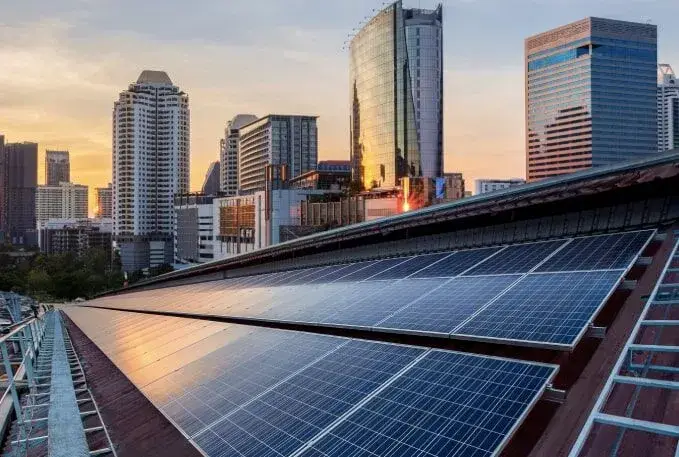
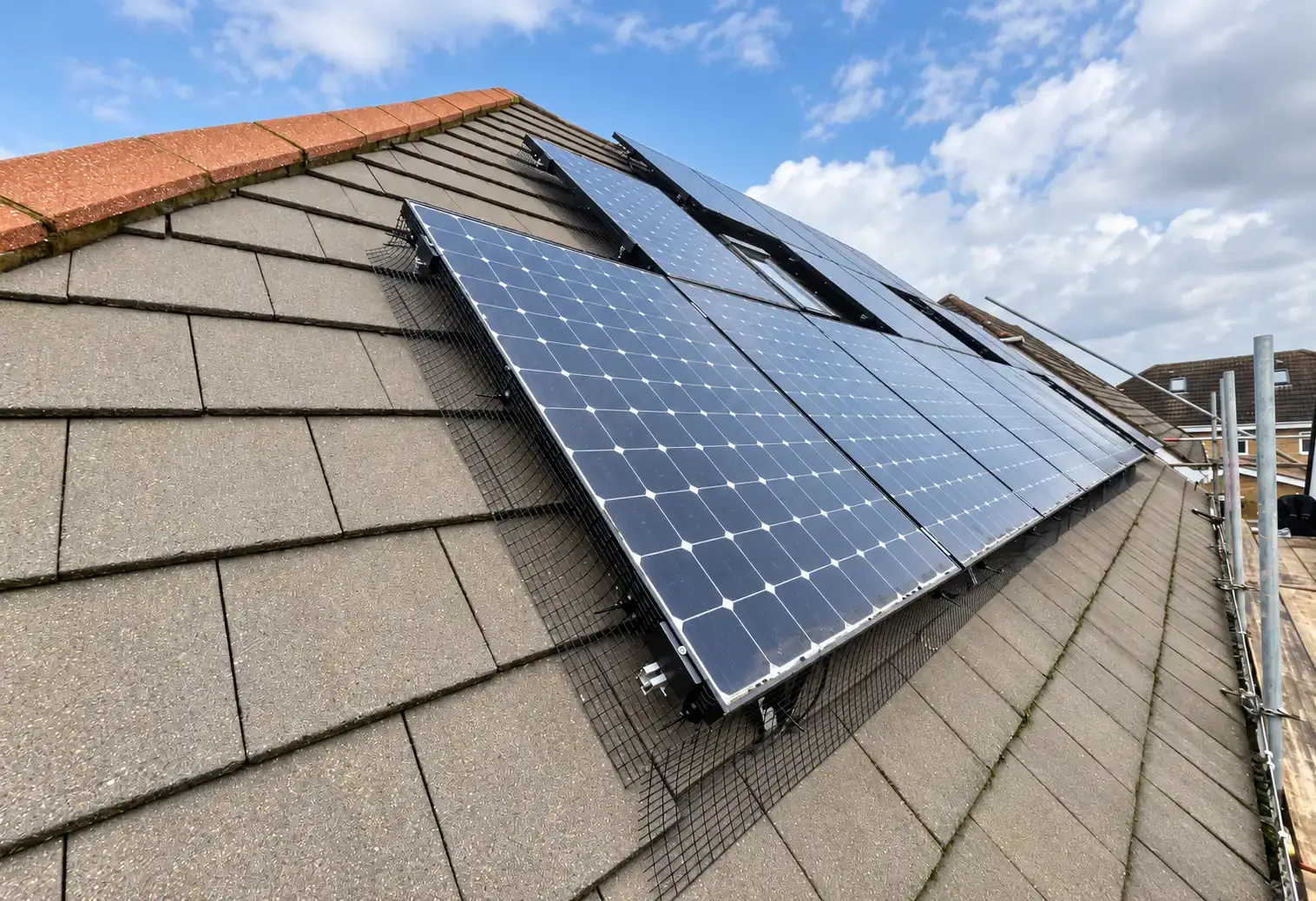







Solar Panels for Churches & Religious Buildings
They provide protection against power failures and can even generate additional income. Expert installation guarantees peak performance, with customized systems tailored to specific energy needs. Power Purchase Agreements (PPA) offer cost-effective solutions without upfront expenses, fixed electricity rates, and hassle-free maintenance. Considering structural integrity, orientation, and compliance is essential for installation. Secure funding through grants, rebates, and community engagement for long-term benefits. Maximize efficiency and benefits with proper monitoring and maintenance. Harness the full potential of solar panels for religious settings.
Benefits of Solar Panels for Religious Buildings
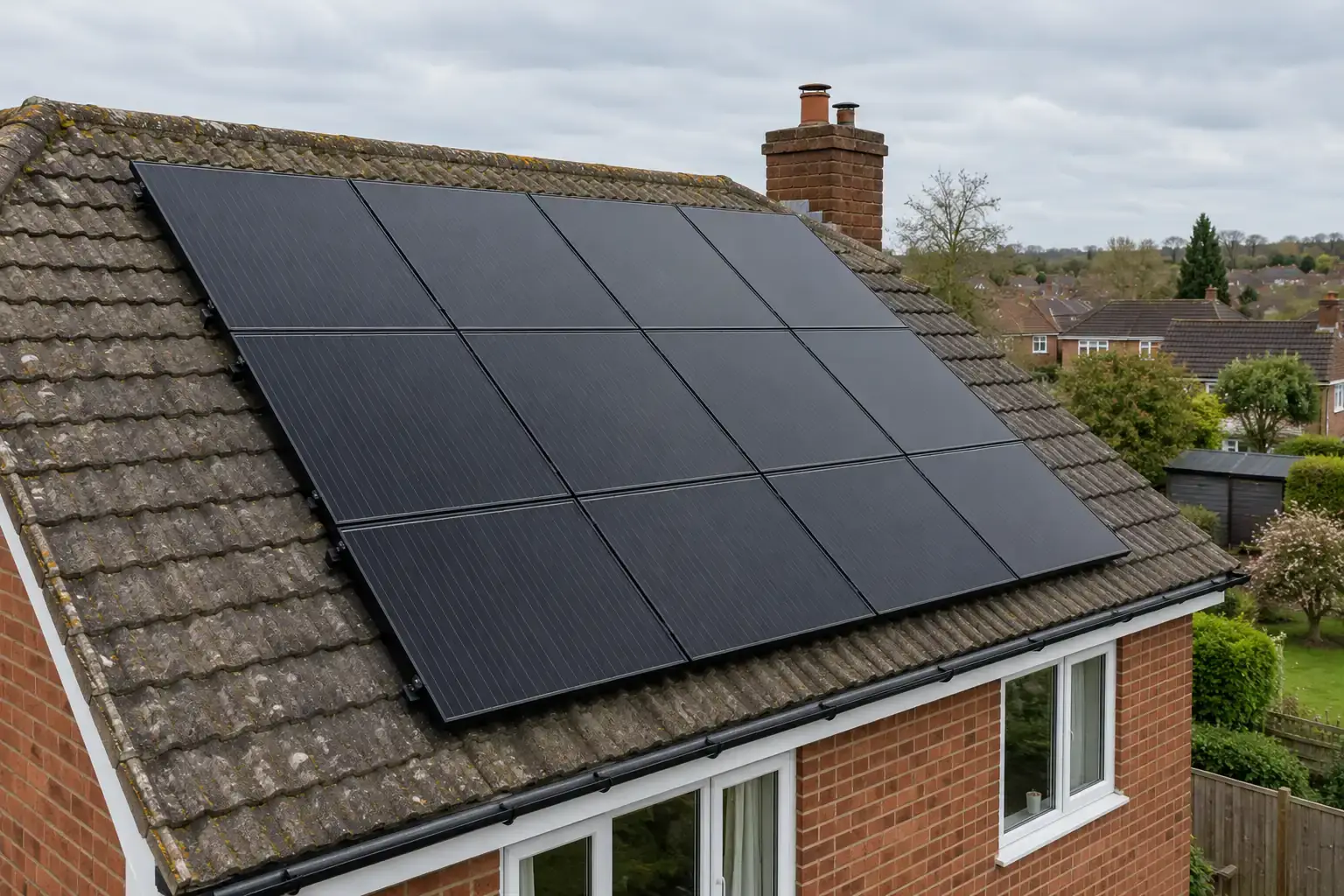
The installation of solar panels for religious buildings offers a multitude of benefits, ranging from significant reductions in energy bills to a substantial decrease in their carbon footprint. By harnessing solar energy, churches and religious buildings can not only lower their operational costs but also demonstrate a commitment to environmental sustainability.
Additionally, the integration of solar panels can provide protection against power failures, generate additional income through surplus energy production, and contribute to a greener environment for the community. This initiative not only benefits the organization directly but also has a positive impact on the broader community by showcasing a dedication to eco-friendly practices and long-term financial savings.
Solar Panel Installation and Expertise
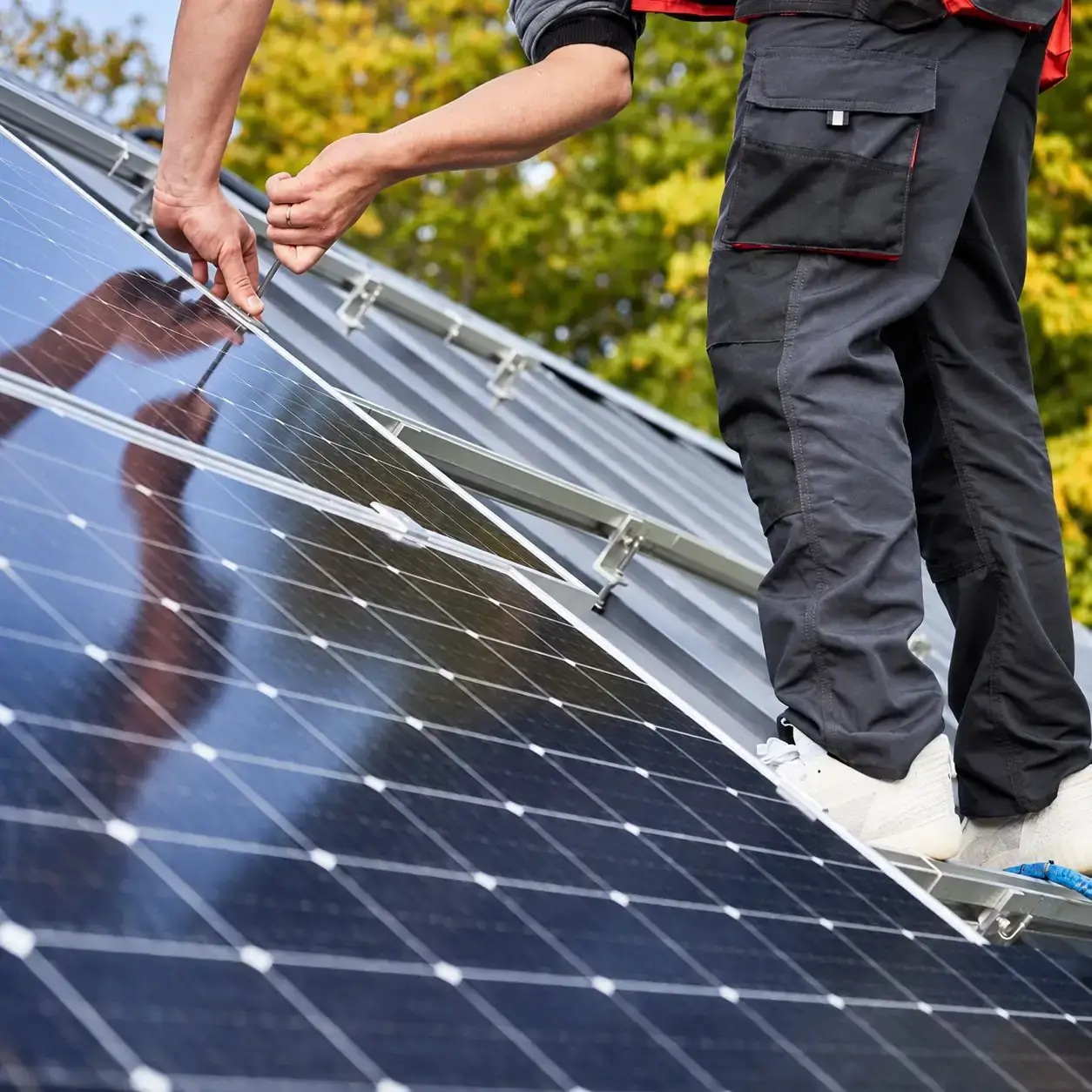
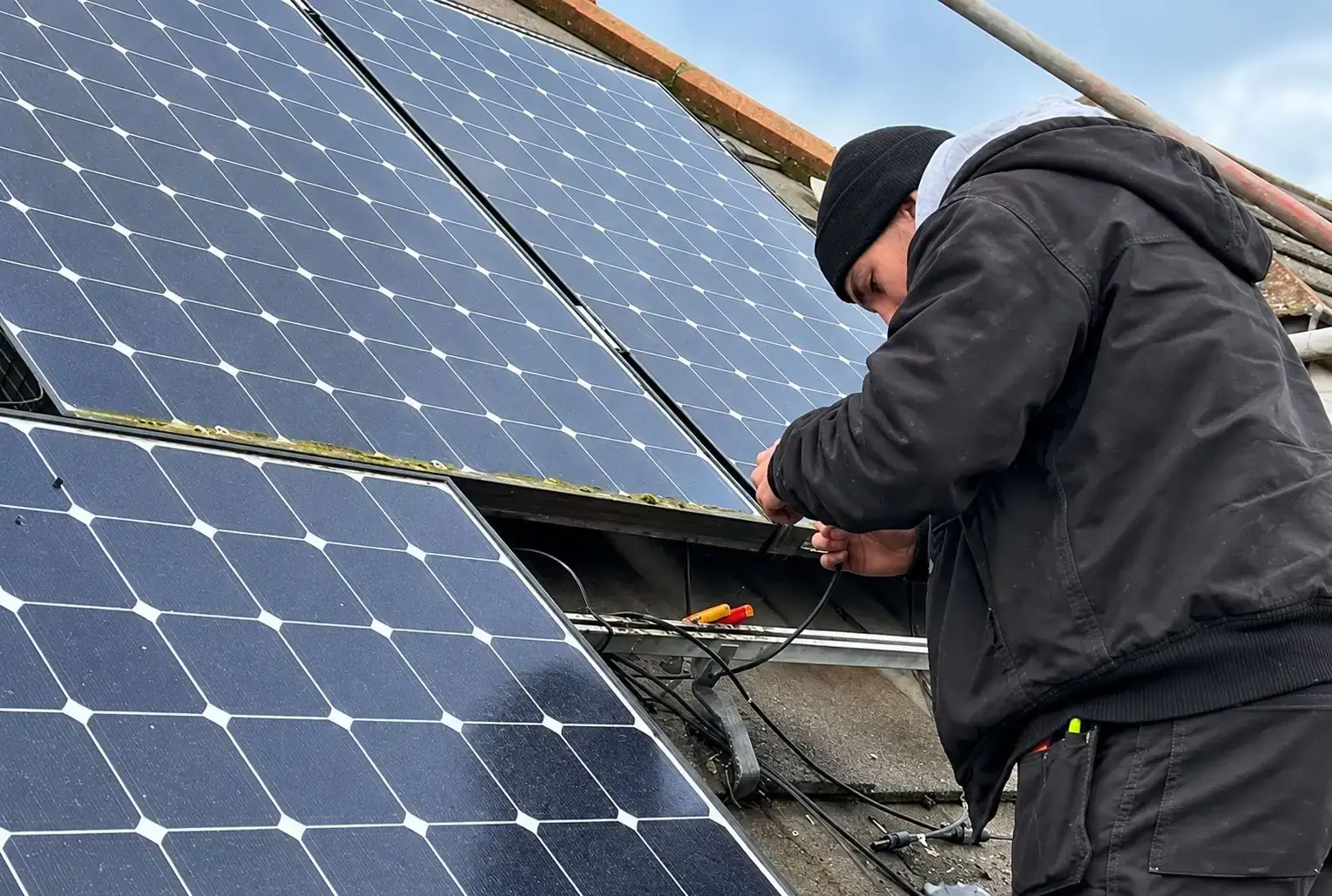
With a focus on precision and expertise, the installation of solar panels for churches and religious buildings showcases a commitment to sustainable energy practices and environmental stewardship. Companies specializing in solar panel installations bring years of experience in designing bespoke solar systems tailored to the unique energy needs of religious institutions.
These experts often offer flexible installation options, such as Solar Power Agreements (SPA) or Power Purchase Agreements (PPA), providing thorough support throughout the decision-making process. Additionally, they provide guarantees on panel performance and workmanship, ensuring the longevity and efficiency of the installed systems.
Advantages of Power Purchase Agreements (PPA)
Cost-effective solar energy adoption through Power Purchase Agreements (PPAs) offers immediate benefits for churches and religious buildings seeking to reduce energy costs and enhance sustainability.
PPAs allow organizations to go solar without upfront costs, as they only pay for the electricity produced by the solar panels. This arrangement shifts the responsibility of system ownership, operation, and maintenance to a third-party provider, reducing the financial burden on the religious institution.
Additionally, PPAs provide fixed electricity rates over the contract term, protecting against utility price fluctuations. By entering into a PPA, churches can benefit from hassle-free installation, professional maintenance, and environmental advantages while enjoying immediate energy cost savings.
Considerations for Solar Panel Installation
Considerations for Solar Panel Installation begin with evaluating the structural integrity of the building and analyzing factors like roof orientation and shading. A thorough assessment of the roof’s condition is essential to guarantee it can support the weight of the solar panels.
Additionally, understanding the building’s orientation towards the sun and any potential shading from nearby structures or trees is critical for maximizing energy production.
Permitting and regulatory requirements must also be taken into account to secure compliance with local laws.
Determining the appropriate system size based on the energy needs of the church or religious building, as well as estimating maintenance requirements, are important steps in the planning process to ensure the successful installation and operation of solar panels.
Funding, Community Engagement, Monitoring, Performance
To guarantee the successful implementation and operation of solar panel systems for churches and religious buildings, careful attention must be given to funding, community engagement, monitoring, and performance.
When it comes to funding, options such as grants, rebates, Power Purchase Agreements (PPAs), crowdfunding campaigns, loans, and donation drives can help cover the costs.
Community engagement plays an important role in raising awareness and support for the project through workshops, volunteer opportunities, public campaigns, collaborations, and hosting events.
Monitoring the system’s performance by tracking energy production, conducting regular inspections, addressing maintenance issues promptly, evaluating the Return on Investment (ROI), and utilizing monitoring software for efficiency are essential for maximizing the benefits of solar panels in religious settings.
Conclusion
To sum up, the integration of solar panels in churches and religious buildings offers a myriad of benefits, including: – Cost savings – Reduced carbon emissions – Increased resilience
Through careful consideration of installation, funding options, and monitoring mechanisms, religious organizations can harness the transformative potential of solar technology to: – Enhance operational efficiency – Demonstrate a commitment to sustainable practices
Overall, solar panels present a compelling opportunity for religious establishments to align their values with tangible environmental action.
REQUEST A CALL BACK
Interested in Solar PV? Send a quick message and one of our team will be in touch with you.