






How Solar PV & Thermal Panels Work Together
These panels optimize energy generation efficiency by harnessing the sun’s power for multiple purposes. By integrating solar PV and thermal panels, fluid circulation within these hybrids enhances energy production. This innovative approach maximizes solar resources and space usage for improved overall performance. The combination of solar PV and thermal technologies not only increases energy output but also contributes to environmental sustainability. Understanding the components and working principles of these systems can provide further insight into their functionality and benefits.
Benefits of Hybrid Solar Panels
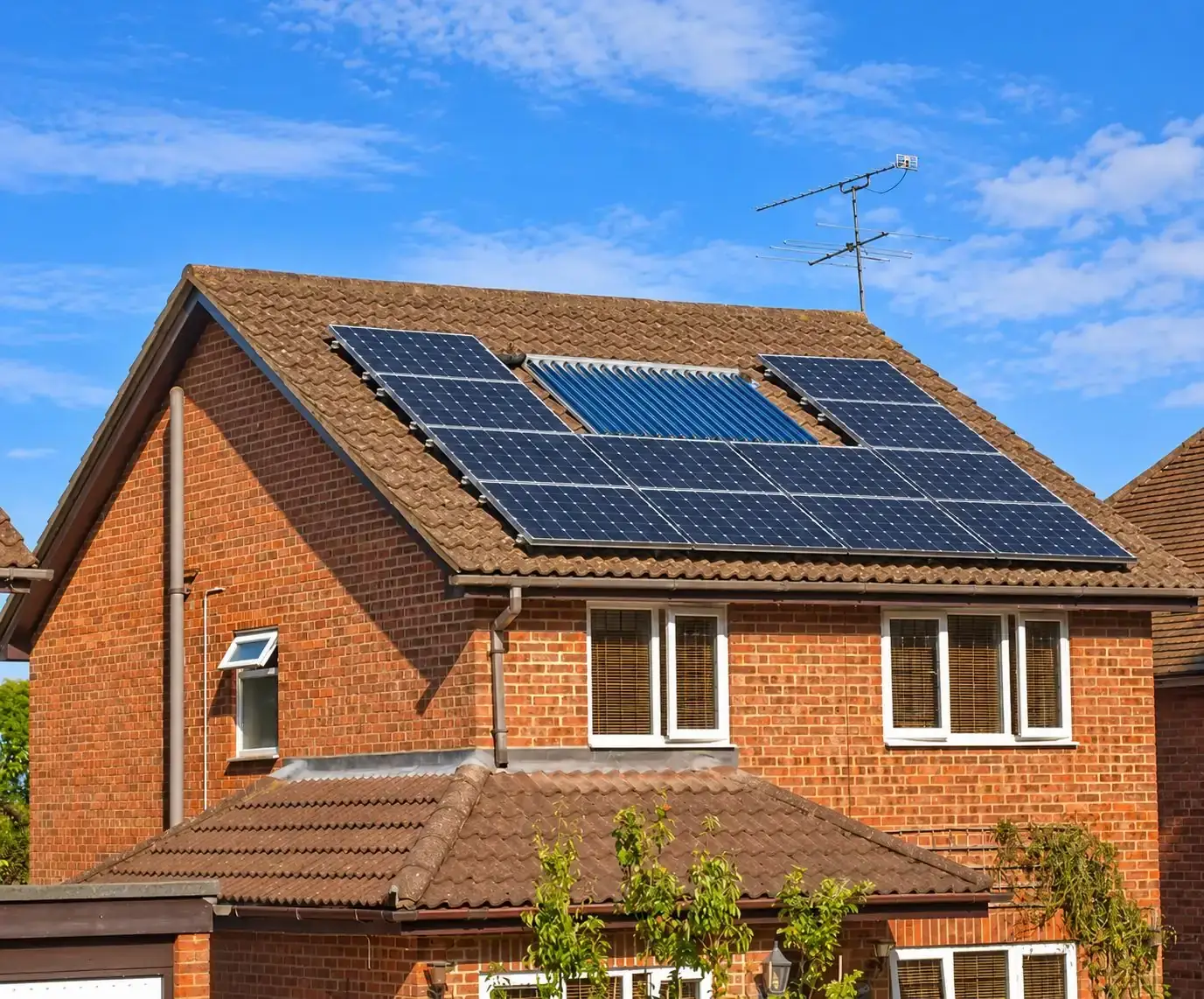
Hybrid solar panels offer an innovative solution by efficiently combining the benefits of solar photovoltaic and thermal technologies to maximize energy generation from sunlight.
These panels generate electricity through photovoltaic cells while also harnessing heat for water heating, increasing overall energy efficiency in homes. By integrating both functionalities, hybrid panels optimize space usage, making them ideal for homes with limited roof space.
Despite a higher initial cost due to limited availability, the combination of PV and thermal panels proves advantageous, offering a sustainable and environmentally friendly energy solution.
The circulation of fluid within hybrid panels facilitates energy generation, providing a practical and efficient approach to utilizing solar power for both electricity and water heating needs.
Efficient Energy Generation Mechanism
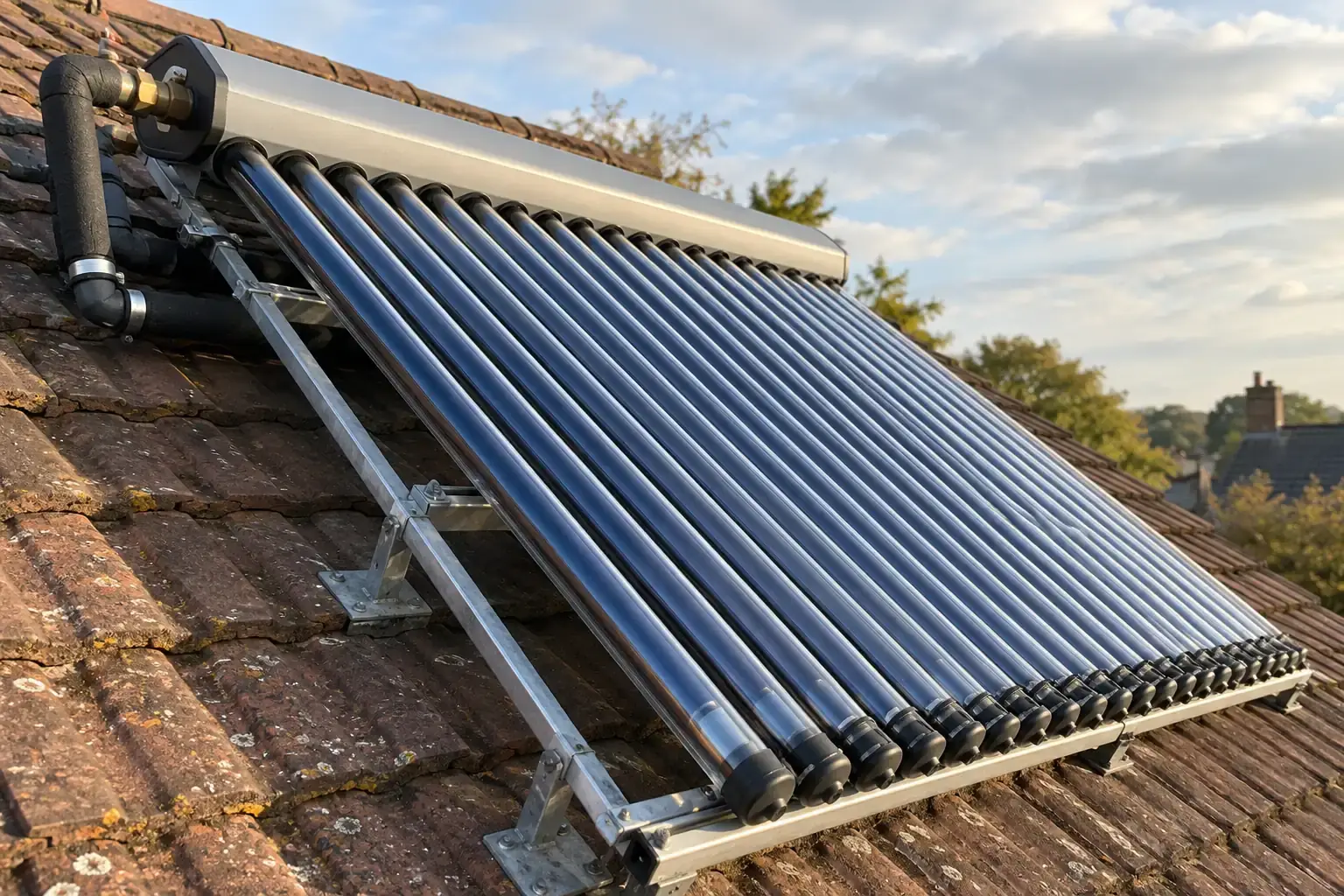
An optimized utilization of solar energy involves a sophisticated mechanism that efficiently combines the generation of electricity and heat from sunlight. This mechanism typically integrates solar PV panels, which convert sunlight into electricity, with solar thermal panels, which absorb heat to warm water.
The circulation of fluid in hybrid panels facilitates energy generation by harnessing both electricity and heat simultaneously. By combining these two functionalities, hybrid panels maximize energy production efficiency. The absorption of light for electricity generation and heat for water heating guarantees a balanced and effective use of solar energy resources.
This integrated approach not only enhances energy generation but also contributes to a more sustainable and eco-friendly energy solution for residential and commercial applications.
Integration of Solar PV and Thermal
The integration of solar PV and thermal technologies offers a holistic approach to maximizing energy production efficiency through the combined generation of electricity and heat from sunlight. By combining the benefits of both systems, hybrid panels can efficiently generate electricity while also providing heat for water or space heating.
This integration optimizes the use of available space, making it ideal for homes with limited roof space. The hybrid panels typically have a similar appearance to traditional solar PV panels but incorporate additional features such as pipes for fluid circulation.
The efficient utilization of both solar energy forms in hybrid panels results in increased overall energy production and cost savings for the end user.
Environmental Impact and Sustainability
Harnessing solar energy through photovoltaic (PV) and thermal panels offers a sustainable solution for reducing carbon emissions and promoting environmental stewardship. The environmental impact of solar panels includes a significant reduction in electricity bills, making them financially and environmentally beneficial.
Solar panels are environmentally friendly, requiring low maintenance and providing energy independence. By using solar energy, property value increases, and carbon footprints decrease, leading to a reduction in greenhouse gas emissions.
Additionally, solar panels contribute to the conservation of natural resources, mitigate climate change, and facilitate sustainable energy generation. Overall, the adoption of solar PV and thermal panels aligns with the global shift towards cleaner and more sustainable energy sources, benefiting both the environment and homeowners.
Components and Working Principles
Solar panels, essential components of solar PV systems, play a critical role in converting sunlight into electricity for various applications.
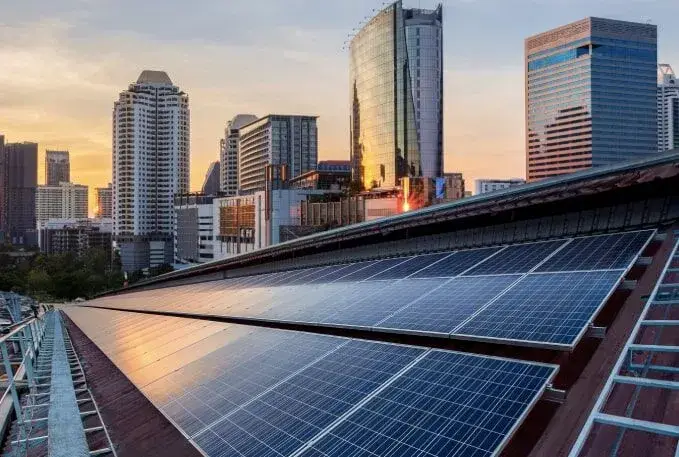
In a solar PV system, the key components include solar panels, which consist of photovoltaic cells that harness sunlight to generate direct current (DC) electricity through the photovoltaic effect.
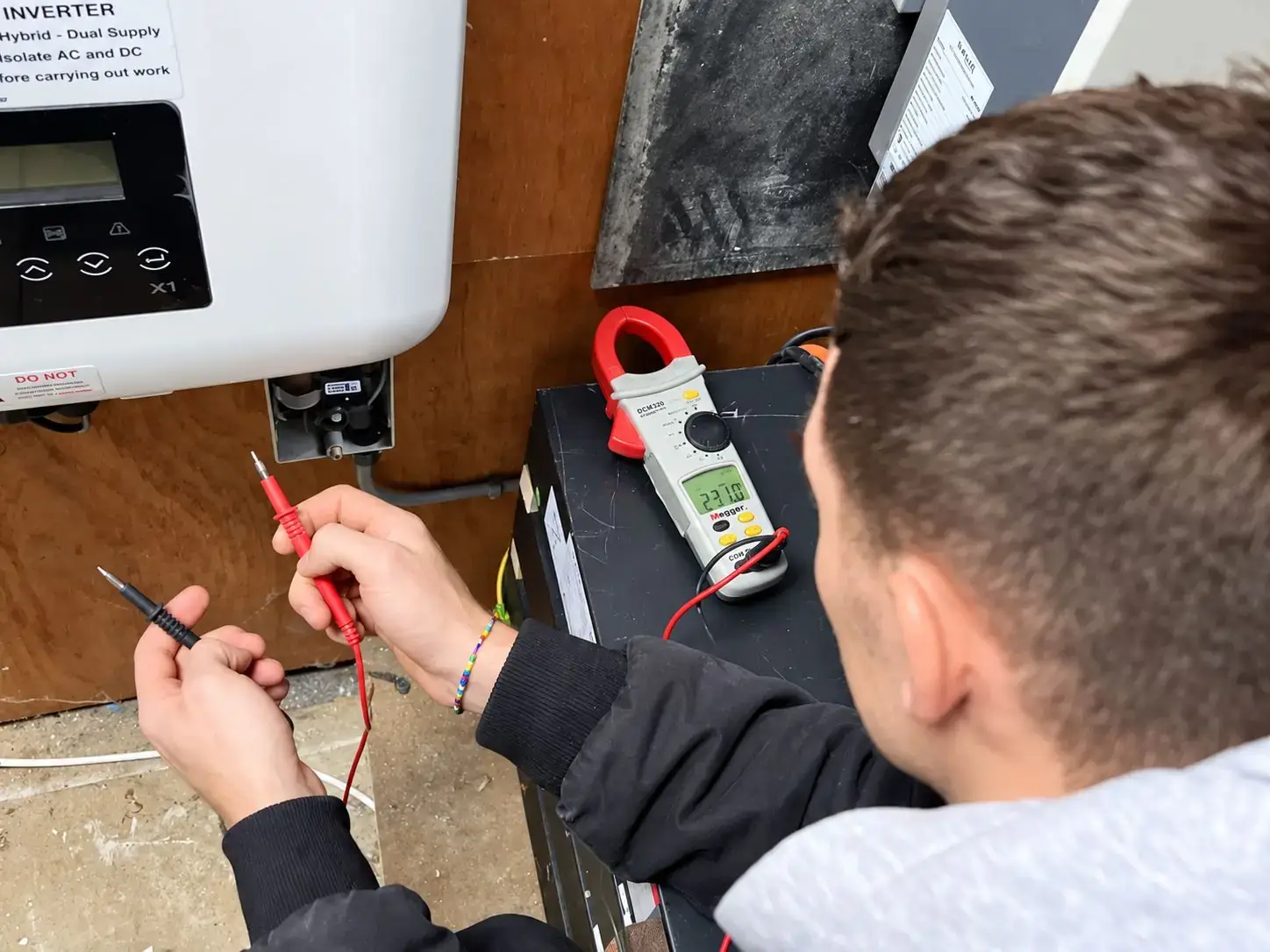
This DC electricity is then converted into alternating current (AC) by an inverter for compatibility with home appliances or the grid.
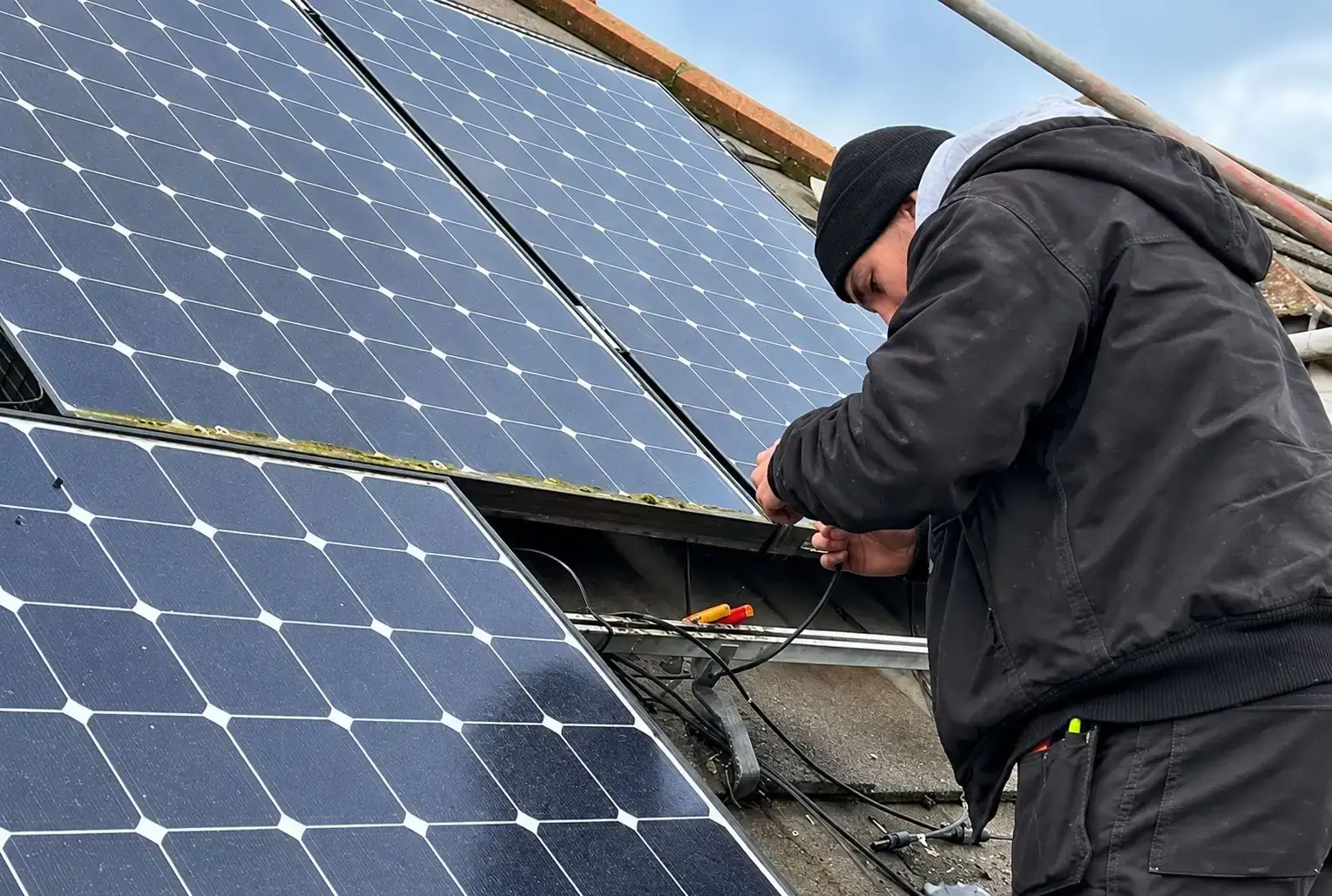
The mounting structure guarantees the panels are securely fixed in place to maximize sunlight exposure.
A monitoring system tracks energy production, while electrical wiring facilitates the flow of electricity.
The generated electricity can be utilized directly, stored in batteries, or fed back into the grid for wider distribution.
Conclusion
To sum up, the combination of solar PV and thermal panels offers a sustainable and efficient solution for energy generation and water heating. The hybrid system maximizes the benefits of both technologies, allowing for increased energy independence and environmental sustainability.
By harnessing the sun’s abundant energy, these panels contribute to reducing energy bills and enhancing overall energy efficiency in homes. The integration of solar PV and thermal panels showcases the synergies between these technologies in achieving a greener and more sustainable future.
REQUEST A CALL BACK
Interested in Solar PV? Send a quick message and one of our team will be in touch with you.