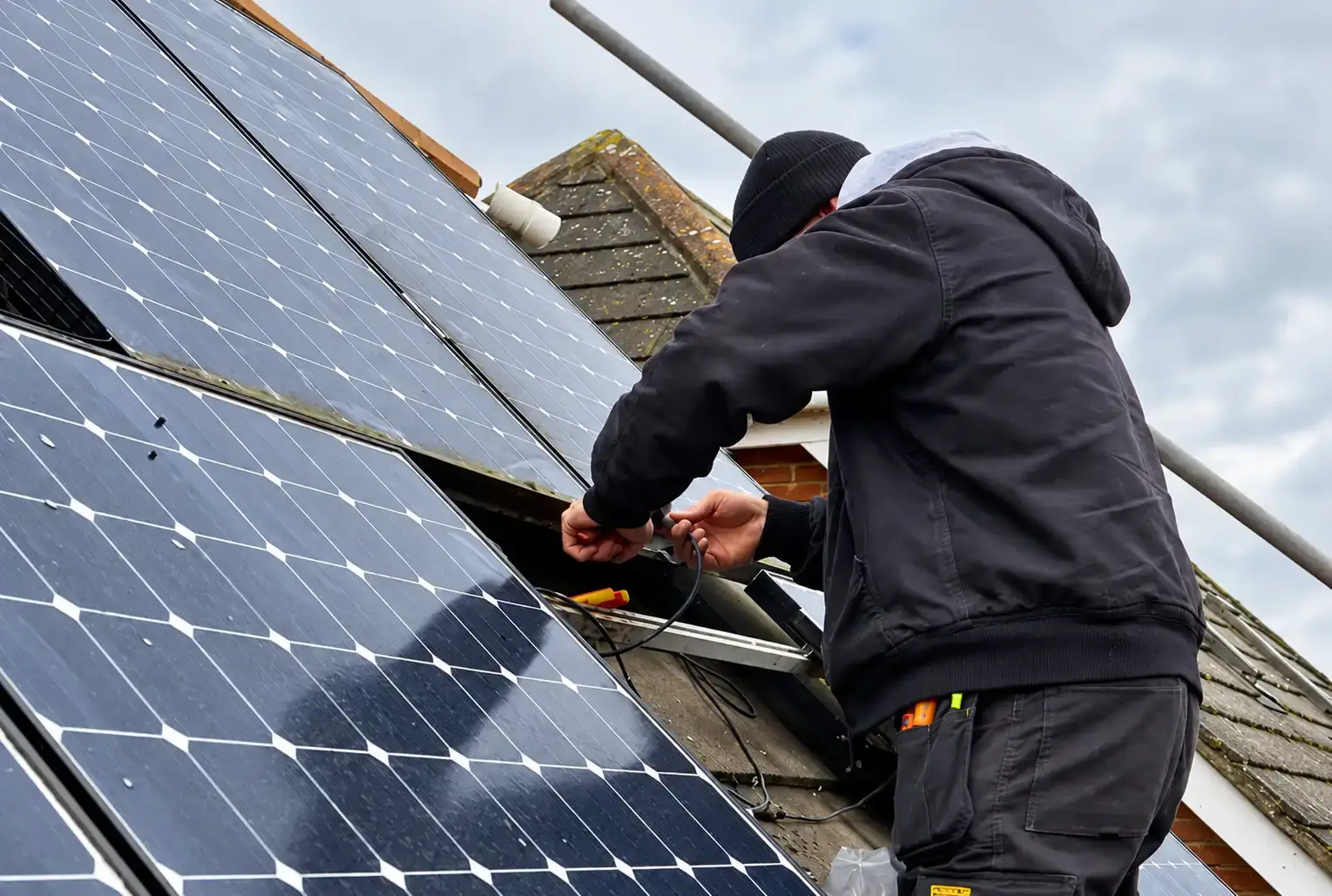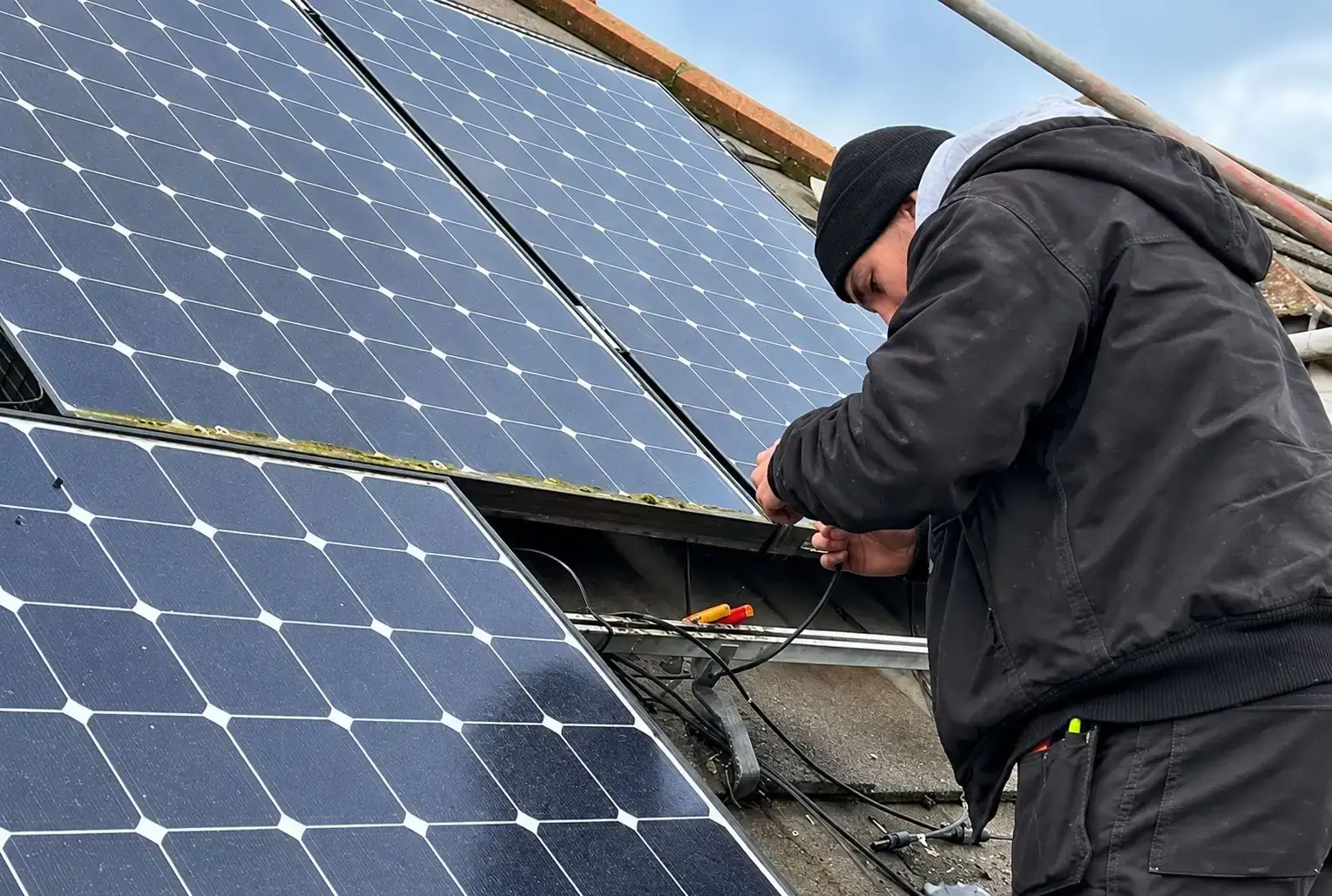
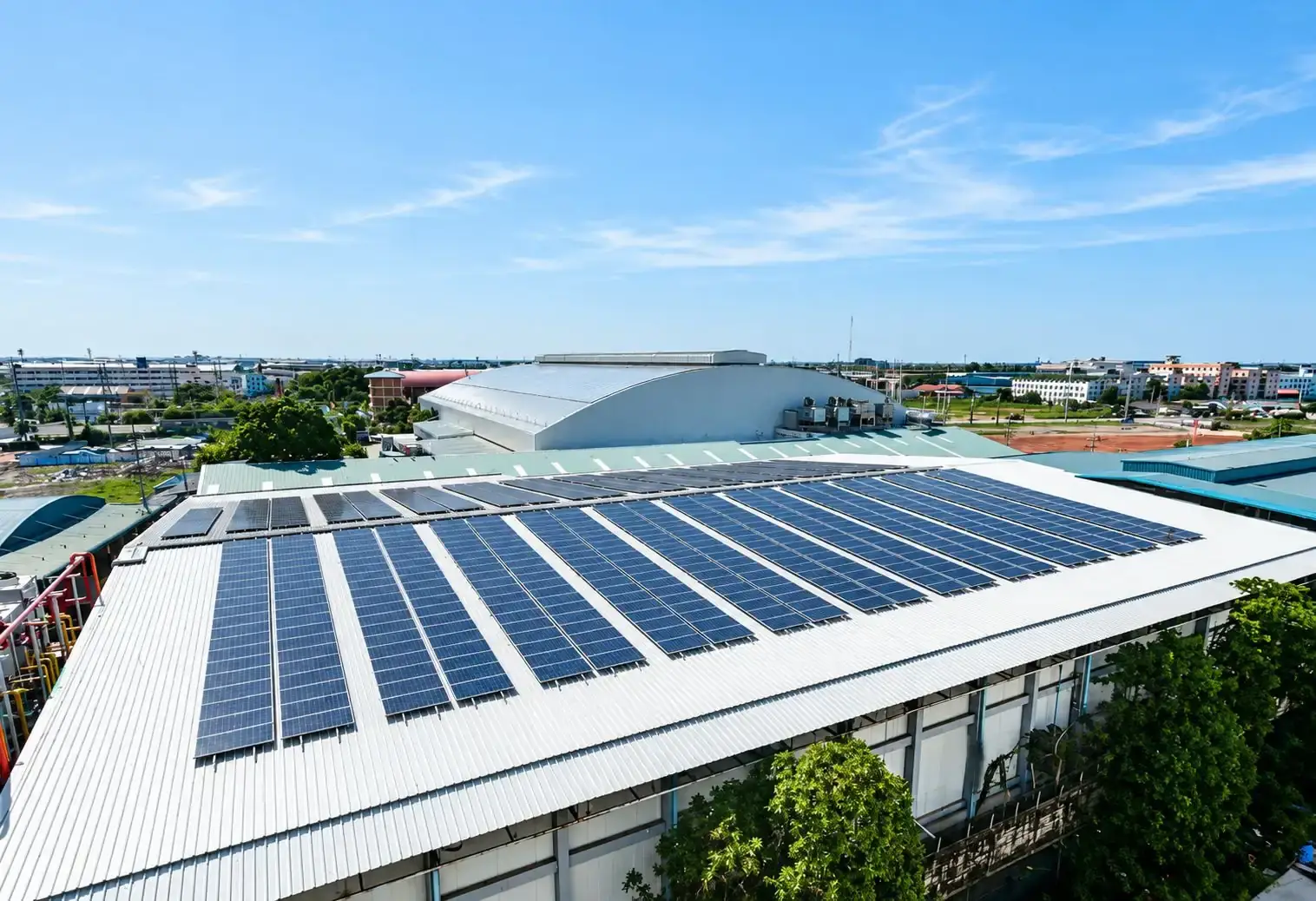

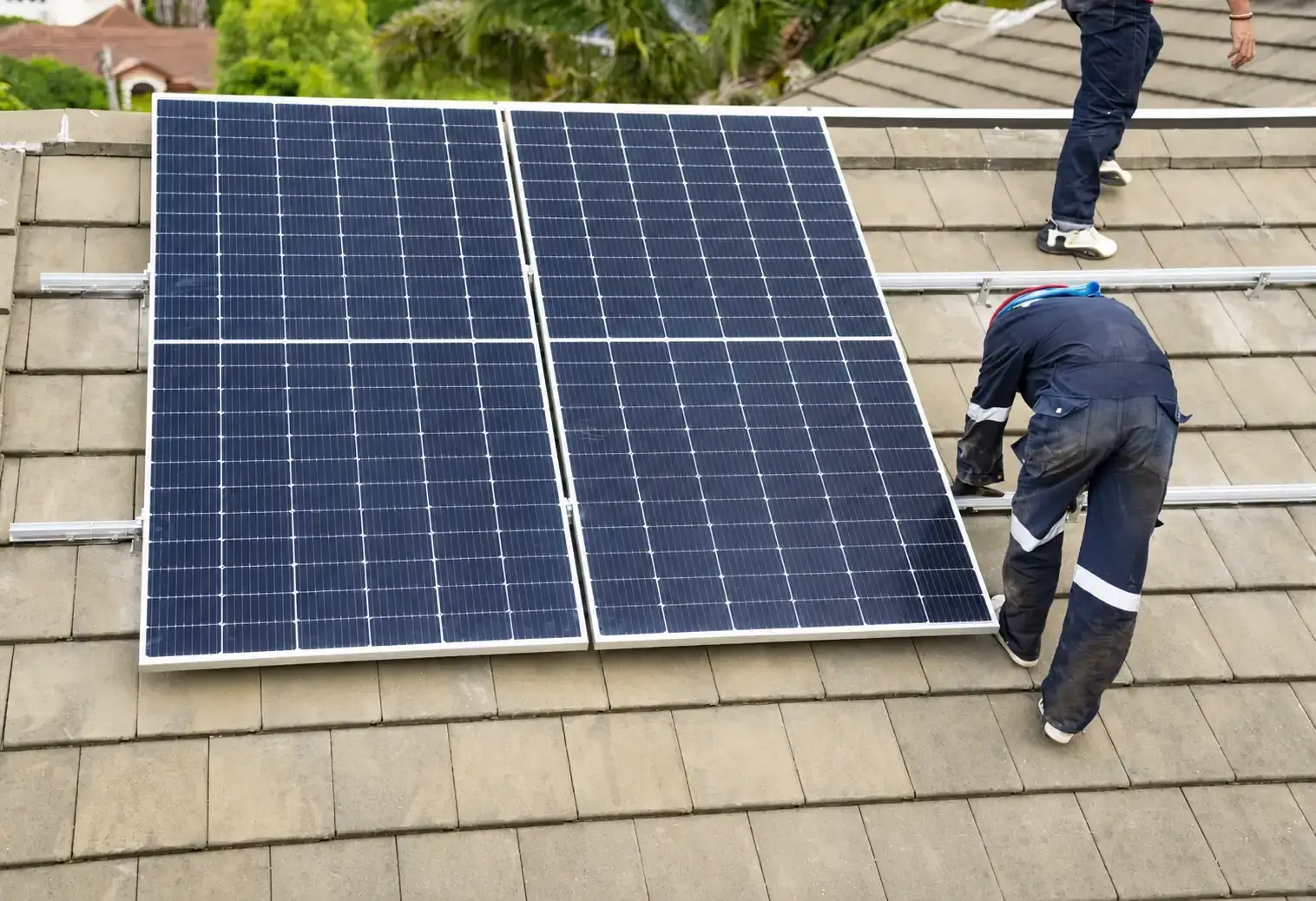
A solar immersion diverter is a small device that puts surplus solar electricity to work heating your hot water instead of letting it flow back to the grid for a low return. For homeowners who already have solar panels, it is one of the more straightforward upgrades available, but the installation itself involves real electrical work, careful CT clamp placement, and a few UK-specific compliance questions that are worth understanding before you book anyone in. This guide from Solar Maintenance And Repairs walks through what happens at each stage of a professional installation, what a qualified electrician does and why, and where the boundaries sit between what a homeowner can reasonably learn to monitor and what should always be left to a professional.
What Is a Solar Immersion Diverter?
A solar immersion diverter, sometimes called a PV diverter or solar power diverter, is a device fitted between your solar PV system and your household electrics. Its job is simple in concept: it watches how much electricity your solar panels are generating against how much your home is actually using, and the moment generation outstrips demand, it sends that surplus towards your immersion heater rather than letting it export to the grid at a low tariff rate.
This matters because most UK solar export tariffs pay considerably less per kilowatt hour than the cost of buying electricity back later. Redirecting spare generation into hot water, rather than selling it cheaply and buying gas or electricity to heat water afterwards, is usually the better financial outcome. A well-specified diverter integrates cleanly with an existing PV system and an existing immersion heater, so most properties that already generate solar power and have a hot water cylinder can consider this upgrade without needing to replace other equipment. The hot water diverter service offered by Solar Maintenance And Repairs covers the full range of diverter models suited to different property types and existing PV setups.
How Does a Solar Diverter Work?
The energy flow behind a solar diverter installation is straightforward once broken into stages.
Solar panels generate electricity throughout daylight hours, and the property draws on that electricity first, running lights, appliances, and anything else switched on. If generation exceeds what the household is using at that moment, the difference becomes surplus electricity that would otherwise be exported. A CT clamp fitted to the diverter detects this surplus in real time, continuously measuring the direction and volume of current flow. As soon as export is detected, the diverter sends an appropriate, variable amount of power towards the immersion heater rather than the grid. The immersion heater then uses that power in the ordinary way, heating water in the hot water cylinder.
Because the diverter adjusts its output several times a second in most modern units, it can respond to changing weather and changing household demand throughout the day without any manual input once it has been set up and commissioned correctly.
What Is Needed for a Solar Diverter Installation?
A typical solar diverter installation UK job draws on several components working together, and understanding what each one does helps make sense of the installation stages that follow.
The core components include the existing solar PV system and its inverter, the solar immersion diverter unit itself, a CT clamp for measuring generation and demand, the property’s electricity meter and meter tails, the consumer unit, a fused connection or other suitable electrical protection appropriate to the installation, the immersion heater, and the hot water cylinder it heats. Suitable cabling connects these elements together, and many installations now include a monitoring or control interface so the homeowner can see how much surplus energy is being diverted over time.
None of this requires the homeowner to understand wiring diagrams or make any electrical connections themselves. It is useful background for understanding what happens during a visit, which is covered next.
How to Install a Solar Diverter
Professional solar diverter installation follows a consistent sequence of stages. Each one is explained here at the level a homeowner needs to understand what is happening and why, without covering the specific live electrical work involved, which should always be carried out by a suitably qualified electrician.
Assessing the Existing Solar PV System
Before anything is fitted, an installer reviews the existing solar PV system: the panel output, the inverter type and condition, and how the system currently performs against the household’s typical electricity use. This assessment identifies how much surplus generation is realistically available to divert and confirms that the existing setup is compatible with the diverter model being considered. If the solar PV installation itself needs attention first, that is flagged at this stage rather than after fitting has begun.
Checking the Hot Water Cylinder and Immersion Heater
The installer also checks the hot water cylinder and immersion heater for compatibility and condition. A working immersion heater and a cylinder in good order are prerequisites for a diverter to function correctly. Properties with a combi boiler and no cylinder are generally not suitable, since there is no immersion heater for the diverter to control.
Positioning the CT Clamp
CT clamp placement on meter tails is one of the more important technical decisions in the whole installation. The clamp measures the direction and volume of electricity flowing through the meter tails, which tells the diverter if the property is currently exporting surplus power or drawing it in. Correct positioning is what allows the diverter to distinguish accurately between generation and demand. If the clamp is fitted in the wrong orientation or location, the diverter can misread the direction of flow, which affects how reliably it identifies genuine surplus and how well it performs day to day. This is a precise task that depends on accessing live electrical equipment safely, which is why it is carried out by the installer rather than described here as a DIY step.
Connecting the Diverter to the Electrical System
The diverter is connected into the property’s electrical system with attention to a suitable consumer unit spur and fused connection, sized and specified for the diverter’s electrical protection requirements. This is high-level electrical integration work, and the specifics of how a live connection is made inside a consumer unit are not something this guide sets out to explain, since that work should only be carried out by a qualified electrician working to current UK electrical regulations.
Connecting the Diverter to the Immersion Heater
The diverter also connects to the immersion heater circuit itself, since this is the point where diverted surplus energy is actually put to use. The purpose of this connection is to let the diverter control how much power reaches the immersion heater at any given moment, rather than the heater simply being on or off. This addresses a common question homeowners ask, which is how to wire up a solar diverter to an immersion heater: the honest answer is that this connection involves working on a live electrical circuit connected to a heating element, and it is not a task to attempt without electrical qualifications. A professional installer handles this step as part of the overall commissioning process, checking that the diverter’s output reaches the immersion heater safely and correctly before the system is signed off.
Testing and Commissioning
Once physical fitting is complete, the installer moves into system testing. This includes checking that CT readings correctly reflect the direction of energy flow, confirming that surplus energy is genuinely being diverted rather than exported, verifying that the immersion heater responds correctly to the diverter’s output, and configuring the diverter’s settings for the property (including any boost timer or seasonal programme). Where the unit includes a monitoring app or display, this is set up during commissioning so the homeowner can see how the system is performing from the first day. A final set of system checks confirms everything is operating as expected before the installer leaves.
Once a diverter is commissioned, it benefits from being checked as part of your property’s ongoing solar PV maintenance routine, so any drift in CT readings or diverter settings is caught early rather than going unnoticed for months.
Solar Diverter Installation in the UK
UK solar diverter installations sit within a wider set of electrical safety and building standards, though exactly which requirements apply can depend on the existing installation, the equipment involved, and the nature of any changes being made to the property’s electrical system.
Electrical safety standards apply to any work carried out on domestic wiring, and Part P of the Building Regulations covers notifiable electrical work in dwellings in England and Wales, with different arrangements in Scotland and Northern Ireland. None of these frameworks automatically apply in the same way to every diverter installation, since it depends on what is already installed and what is being changed.
A solar diverter installation should always be completed by a qualified electrician, both because of the electrical work involved and because correct commissioning depends on understanding how the diverter, the PV system, and the household’s existing wiring interact. Some properties considering solar battery storage alongside or instead of a diverter should raise this at the assessment stage, since a battery-compatible diverter can be configured to prioritise the battery first and send only genuine leftover surplus to hot water. Installers such as Solar Maintenance And Repairs can advise on which combination suits a specific property.
Does a Solar Diverter Need G98 or G99 Notification?
G98 and G99 are Energy Networks Association standards that govern how generating equipment connects to the electricity distribution network, with G98 typically applying to smaller installations and G99 to larger ones. These standards are primarily concerned with the generating equipment itself, such as solar PV inverters, and with changes to how a property is connected to the grid.
A solar diverter does not generate electricity. It redirects surplus electricity that has already been generated by an existing, already-connected PV system, so it does not automatically trigger a new G98 or G99 application in every case. That said, the answer can depend on the specifics of the existing installation and any other changes being made at the same time, so it is not accurate to say every diverter fitting definitely requires, or definitely avoids, a fresh notification. Your installer, or your Distribution Network Operator (DNO) directly, can confirm the correct position for your particular system, particularly if the diverter is being fitted alongside other changes such as additional panels or a battery.
Can You Install a Solar Diverter Yourself?
Homeowners can learn a great deal about how a solar diverter works, monitor its performance once it is commissioned, and understand the reasoning behind each installation stage, all of which this guide has set out to explain. What should not be attempted without the right qualifications is the electrical installation work itself: connecting into the consumer unit, working with meter tails, wiring into the immersion heater circuit, or handling any live electrical equipment.
This is not simply a legal formality. Professional installation matters because it gets several interconnected details right at once: electrical safety throughout the work, correct CT clamp placement so the diverter reads generation and demand accurately, proper system configuration for the specific PV setup and immersion heater involved, thorough testing before handover, compliance with the standards covered above, and a significantly lower risk of the kind of subtle installation faults that only show up as poor performance months later. A qualified electrician brings all of these together in a single visit, which is difficult to replicate piecemeal as a DIY project even for a confident homeowner.
How Long Does Solar Diverter Installation Take?
Typical installation time for a solar diverter installation is usually measured in hours rather than days, though the exact duration depends on several factors specific to the property. These include the condition and layout of the existing solar PV setup, where the consumer unit is located relative to the meter and the hot water cylinder, the distance the diverter needs to be wired between these points, the condition of the existing immersion heater, how straightforward cable routing is through the property, how accessible the meter tails are for CT clamp fitting, if any additional electrical work is needed before the diverter itself can be fitted, and the time needed for thorough testing and commissioning once fitting is complete.
Straightforward properties with good access and a modern consumer unit tend to see quicker visits, while older properties, awkward cable runs, or additional remedial electrical work can extend the time needed. An installer can give a more precise estimate once they have seen the property.
How Much Does Solar Diverter Installation Cost?
Solar diverter installation cost varies by property and by the specific work involved, so rather than quoting a single figure, it is more useful to understand what actually drives the price. The diverter model itself is one factor, since features like app-based monitoring, battery compatibility, or programmable boost timers sit at different price points. The condition and layout of the existing solar PV system affects how much preparatory work is needed, as does the amount of electrical work required to connect the diverter safely, including consumer unit requirements and the length and complexity of any cable runs. The condition of the existing immersion heater and hot water cylinder can also affect cost if any remedial work is needed alongside the diverter fitting. Finally, overall installation complexity and the time needed for testing and commissioning both feed into the final price.
A written quote following a proper assessment of your property is the most reliable way to understand cost for your specific situation, rather than relying on a generic online estimate.
Benefits of Professional Solar Diverter Installation
Professional installation brings together several things that are difficult to separate out individually: correct system configuration matched to your specific PV system and immersion heater, safe electrical installation carried out to current UK standards, accurate CT clamp placement so the diverter reads surplus generation correctly from day one, proper testing and commissioning before handover, attention to the compliance considerations covered earlier in this guide, a reduced risk of the kind of installation faults that cause underperformance or nuisance issues later, better overall system performance as a result, and ongoing professional support if anything needs adjusting or repairing after installation.
For a device that is designed to run quietly in the background for years, getting these fundamentals right at the point of installation makes a genuine difference to how much value the system delivers over its working life. If a fault does develop later, the same solar PV repairs and servicing team that fitted the diverter can diagnose and put it right, which is one of the practical advantages of using an established specialist such as Solar Maintenance And Repairs rather than a one-off fitter.
Book a Professional Solar Diverter Installation
If you already have a solar PV system and a working immersion heater, a professional solar diverter installation is one of the more cost-effective ways to make fuller use of the electricity your panels already generate. Solar Maintenance And Repairs installs, tests, and commissions solar diverters for homeowners across Hampshire and the South of England, working to current UK electrical standards from the initial property assessment through to final handover. You can read more about the team behind the installations, including accreditations and experience across solar PV, solar thermal, and hot water diverter work.
If you would like a proper assessment of your property and a written quote, you can book a solar diverter installation with our team, or get in touch to discuss your existing solar PV system and hot water setup first.